Paper and Other Material Types
BookPrintingChina, with over 25 years of experience as a professional offset printing company, offers a wide selection of paper types for custom printing projects. Whether you are producing books, catalogs, business cards, card decks, calendars, or packaging, we provide the appropriate paper weights and stocks to ensure a professional finish that effectively impresses your target audience.
Below is a selection of popular paper and material options for your reference.
Paper Types
Grey Board Options
For hardcover book covers and rigid box construction, we provide 2–3mm grey board options, ensuring excellent rigidity, durability, and structural integrity for premium applications.
Other Materials
For those seeking premium cover and packaging materials, we offer a wide range of cloth and PU leather options in various colors, textures, and finishes. It is important to note, however, that these materials have inherent limitations: compared to printed paper, colors generally appear more muted, and the available palette is limited to supplier stock options.
Despite these constraints, thoughtful color selection combined with suitable finishing techniques can deliver a refined, distinctive, and highly impactful final result.
Cloth Color Examples
PU Leather Color Examples
We highly recommend ordering our paper samples to help you choose the best material for your project.
Common Paper Weight and Thickness
Glossy Art Paper: Weight and Thickness
| GSM | LB | Thickness(mm) |
| 80 gsm | 54 lb text | 0.065 mm |
| 105 gsm | 71 lb text | 0.086 mm |
| 128 gsm | 86 lb text | 0.105 mm |
| 157 gsm | 106 lb text | 0.136 mm |
| 200 gsm | 135 lb text | 0.18 mm |
| 250 gsm | 92 lb cover | 0.25 mm |
| 300 gsm | 111 lb cover | 0.32 mm |
| 350 gsm | 129 lb cover | 0.37 mm |
| 400 gsm | 148 lb cover | 0.41 mm |
Matte Art Paper: Weight and Thickness
| GSM | LB | Thickness(mm) |
| 80 gsm | 54 lb text | 0.072 mm |
| 105 gsm | 71 lb text | 0.095 mm |
| 128 gsm | 86 lb text | 0.115 mm |
| 157 gsm | 106 lb text | 0.145 mm |
| 200 gsm | 135 lb text | 0.185 mm |
| 250 gsm | 92 lb cover | 0.24 mm |
| 300 gsm | 111 lb cover | 0.31 mm |
Offset Paper: Weight and Thickness
| GSM | LB | Thickness(mm) |
| 70 gsm | 47 lb text | 0.088 mm |
| 80 gsm | 54 lb text | 0.098 mm |
| 100 gsm | 68 lb text | 0.118 mm |
| 120 gsm | 71 lb text | 0.140 mm |
| 140 gsm | 95 lb text | 0.160 mm |
| 160 gsm | 108 lb text | 0.180 mm |
| 180 gsm | 122 lb text | 0.20 mm |
C1S Paper: Weight and Thickness
| GSM | LB (Cover Paper) | PT | Thickness(mm) |
| 250 gsm | 92 lb | 12 PT | 0.35 mm |
| 300 gsm | 111 lb | 14 PT | 0.41 mm |
| 350 gsm | 129 lb | 16 PT | 0.5 mm |
| 400 gsm | 148 lb | 18 PT | 0.55 mm |
Popular Paper Type and Weight for Different Printing Projects
The choice of paper plays a crucial role in the overall quality, durability, and presentation of any printed product. Different printing applications require different paper types, textures, and thicknesses to achieve the best visual and functional results. Selecting the right paper not only enhances print performance and color reproduction but also improves the user experience and perceived value of the product. Based on our extensive industry experience, we have summarized the most commonly used paper materials and weights for various printing applications below.
Book Printing
Book printing commonly uses glossy art paper, matte art paper, offset (uncoated) paper, and specialty papers, each designed to suit different types of content and design styles. Coated papers provide sharp image reproduction and vibrant colors, making them ideal for magazines, catalogs, children’s books, and photography books. Uncoated offset paper offers a softer, more natural reading experience, making it suitable for novels, textbooks, journals, and writing-friendly publications.
Cover Paper:
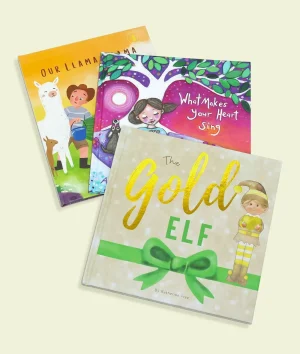
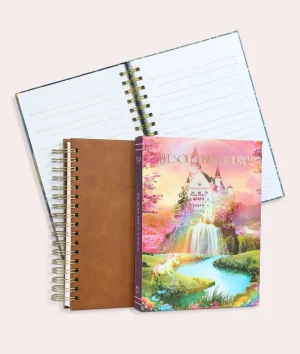
Hardcover: Typically uses 157gsm glossy or matte art paper mounted on 2–3mm gray board. Optional wrap materials include linen, cloth, leather, and kraft paper for a premium finish.
Softcover: Common weights are 200gsm, 250gsm, 300gsm, and 350gsm. Books with higher page counts generally require thicker cover stock for better durability and spine support.
Inner Paper Weights:
Glossy Art Paper: 80gsm, 105gsm, 128gsm, 157gsm, 200gsm
Matte Art Paper: 80gsm, 105gsm, 128gsm, 157gsm, 200gsm
Offset Paper: 80gsm, 100gsm, 120gsm, 140gsm, 160gsm, 180gsm
Board Book Printing
Board books are specifically designed for durability and frequent handling, especially for children’s books and educational products.
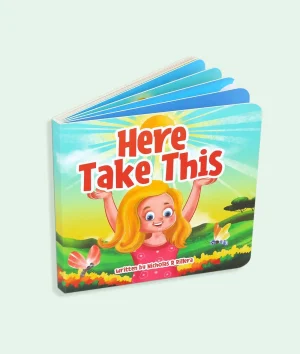
Self-Cover Board Books:These are produced by mounting two sheets of 250gsm–350gsm C1S paper together, creating thick and sturdy pages with smooth edges and excellent durability.
Hardcover Board Books: The inner pages use the same mounted board construction, while the cover is typically made from 157gsm coated paper mounted on 2–3mm gray board. This structure provides additional protection, rigidity, and a more premium presentation.
Card Printing
Different card products require specific paper materials to ensure proper thickness, handling quality, and durability.
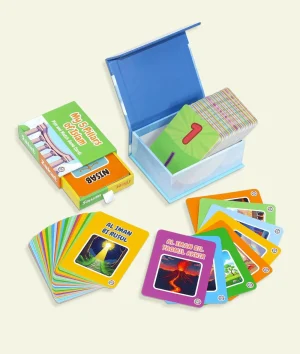
Flashcards: Typically printed on 250gsm–350gsm coated paper. For enhanced durability and rigidity, mounted C1S sheets or 0.3–0.4mm white PVC materials are also commonly used.
Playing Cards: Usually produced using 300gsm–400gsm C2S cardstock. Premium options include 280–300gsm blue core paper, 310–330gsm black core paper, or linen-textured cardstock, offering improved opacity, flexibility, and shuffle performance.
Tarot Cards: Commonly printed on 250gsm–350gsm C2S paper with optional blue core or black core materials to enhance stiffness, durability, and card handling.
Business Cards: Typically use 250gsm–350gsm C2S cardstock or 280–300gsm linen paper, providing a professional appearance with a refined tactile finish.
Calendar Printing
Calendar printing requires paper that balances print quality, durability, and usability.
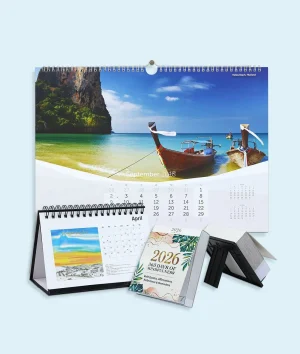
Wall & Desk Calendars: Generally printed on 157gsm, 200gsm, or 250gsm glossy or matte art paper to achieve vibrant image reproduction and sharp printing quality.
Tear-Off Calendars: Usually use 80gsm–140gsm uncoated paper, selected according to page count, writing requirements, budget, and ease of tearing.
Paper Bag & Box Printing
Paper Bags
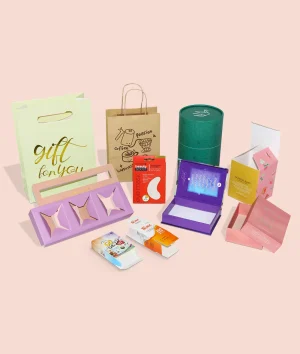
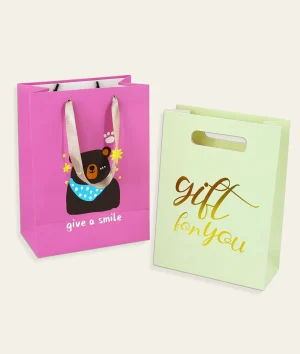
Coated Paper (157gsm–250gsm): Provides a smooth printing surface with excellent color reproduction, making it ideal for retail shopping bags and branded packaging.
C1S Paper (210gsm–250gsm): Coated on one side with a sturdy structure, suitable for premium paper bags requiring both durability and print quality.
Kraft Paper (120gsm–250gsm): An eco-friendly material with a natural and rustic appearance, widely used for sustainable and minimalist packaging designs.
Textured Paper (120gsm–250gsm): Offers a distinctive tactile surface that enhances the luxury feel and visual sophistication of premium packaging.
Boxes
Cardboard Boxes: Typically use 250gsm–350gsm C2S cardstock, suitable for retail packaging, cosmetic boxes, and folding cartons.
Corrugated Boxes: Commonly made with 250gsm C1S paper mounted on E-flute corrugated board, providing added strength, cushioning, and shipping protection.
Rigid Boxes: Usually constructed with 157gsm coated paper mounted on 1.5–3mm gray board. This structure creates a strong, luxurious, and high-end packaging solution commonly used for gift boxes, electronics, cosmetics, and premium retail products.
If you’re unsure which paper type or weight best suits your project, feel free to contact us—our team will provide professional recommendations based on your product, design, and budget.