





In the world of printing, especially for large-scale projects, choosing the right binding method can significantly impact both cost and efficiency. One method that has consistently proven effective for high-volume printing is saddle stitch binding. From magazines and catalogs to booklets and marketing materials, saddle stitch binding offers a combination of affordability, speed, and durability that makes it ideal for mass production.
In this article, we’ll explore why saddle stitch binding works so well for high-volume printing and how it can benefit your projects.
What is Saddle Stitch Binding?
Saddle stitch binding is a simple yet highly effective binding method. In this process, folded sheets of paper are nested inside one another and then stapled along the spine, usually with two staples. The folded sheets are placed over a “saddle,” which gives this technique its name.
This method is especially suitable for publications with a relatively low page count, typically ranging from 8 to 64 pages, though specialized equipment can handle more. The process allows for full-color printing and can accommodate various paper types and finishes, making it versatile for many different projects.
Cost Efficiency for Large Quantities
One of the primary reasons businesses and publishers prefer saddle stitch binding for high-volume printing services is its exceptional cost efficiency. When producing hundreds, thousands, or even tens of thousands of copies, even small savings per unit can translate into significant overall reductions in production costs. Saddle stitch binding offers multiple financial advantages that make it the go-to option for high-volume printing.
Lower Production Costs Compared to Perfect Binding or Hardcover
Saddle stitch binding is remarkably economical because it uses minimal materials and a straightforward assembly process. Unlike perfect binding, which requires glue application, spine preparation, and extra setup, or hardcover binding, which demands rigid boards, endpapers, and extensive finishing, saddle stitch requires only folded sheets and staples. This simplicity not only reduces material costs but also lowers labor and machine time.
For high-volume projects like booklets, magazines, catalogs, price lists, or marketing brochures, these savings are especially significant. By choosing saddle stitch, companies can produce large quantities without incurring the higher overhead associated with glue-bound or hardcover books, making it a practical solution for cost-conscious projects.
Minimal Material Waste
Another advantage of saddle stitch binding is its efficient use of paper. The method involves folding and nesting sheets in a way that maximizes the use of each sheet, minimizing offcuts and paper waste. This efficiency helps reduce material costs further and aligns with sustainability goals. Compared to more complex binding methods, which can generate significant trimmings and leftover scraps, saddle stitch is not only economical but also environmentally responsible.
Faster Setup and Production for High-Volume Runs
For high-volume printing, the speed of setup and production is a critical factor. Saddle stitch binding requires minimal adjustments to printing and finishing equipment, allowing production to begin quickly. This rapid setup reduces downtime and ensures that both short-run and long-run projects can be completed efficiently.
For businesses working under tight deadlines, such as seasonal catalogs or monthly magazine issues, this efficiency means projects can be delivered on schedule without sacrificing quality. The combination of fast production, lower material costs, and minimal waste makes saddle stitch binding an ideal choice for large-scale printing operations.
Speed and Efficiency
For high-volume printing projects, meeting deadlines is just as important as controlling costs. Saddle stitch binding is widely preferred because it offers a fast, efficient production process that helps businesses deliver printed materials on time.
Quick Assembly Process
Saddle stitch binding involves folding printed sheets and securing them with staples along the spine. This simple process can be completed using automated equipment capable of producing hundreds or even thousands of booklets per hour. Because fewer production steps are required compared to other binding methods, labor costs are reduced and turnaround times are significantly shortened.
Suitable for Both Small and Large Print Runs
Whether you need a few hundred promotional booklets or tens of thousands of magazines, saddle stitch binding can easily accommodate different production volumes. Its straightforward setup allows printers to move quickly from one job to another without extensive machine adjustments, making it an efficient solution for both short-run and large-scale printing projects.
Perfect for Tight Deadlines
Many printed materials, such as event programs, product catalogs, marketing brochures, and trade show handouts, are often needed within a limited timeframe. Saddle stitch binding helps ensure these projects are completed quickly without compromising quality. Combined with fast printing and shipping services, it enables businesses to meet critical deadlines and launch marketing campaigns on schedule.
Streamlined Production Workflow
Unlike more complex binding methods that require glue curing, trimming, or additional finishing processes, saddle stitch binding offers a streamlined workflow from printing to final assembly. This efficiency minimizes production delays and allows large quantities of printed materials to be produced and delivered faster, making it an ideal choice for time-sensitive projects.
Design and Layout Flexibility
Although saddle stitch binding is one of the simplest and most cost-effective binding methods, it offers impressive design flexibility for a wide range of printed materials. Its lightweight structure and efficient production process make it an excellent choice for publications that require a professional appearance while maintaining affordability. From magazines and brochures to catalogs and educational booklets, saddle stitch binding can be customized to match different design requirements, formats, and branding goals.
Works with a Variety of Sizes
One of the biggest advantages of saddle stitch binding is its ability to support various page sizes and formats. Standard sizes such as 8.5” × 11” (Letter), 5.5” × 8.5” (Half Letter), 6” × 9”, A4, and A5 are commonly used for saddle-stitched publications. However, custom sizes are also available, allowing designers to create unique and eye-catching printed products.
This flexibility makes saddle stitch binding suitable for many applications, including:
Magazines and newsletters that require easy handling and a clean layout
Product catalogs and brochures for showcasing products or services
Instruction manuals and training materials with organized content
Event programs and company booklets for presentations or promotions
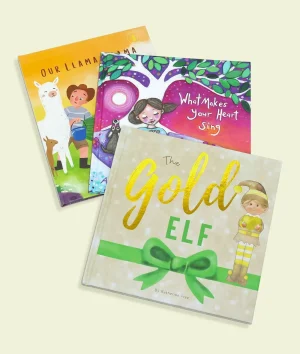
Creative publications, such as comic books, zines, and small-format books
Whether you need a standard business document or a creative custom project, saddle stitch binding provides the versatility needed to achieve your desired look and feel.
Can Accommodate Different Page Counts Efficiently
Saddle stitch binding is designed for thin to medium-page publications, making it a practical choice for projects that do not require thick spines. Typically, it works best for publications ranging from 8 to 64 pages, depending on the paper thickness. Some printing facilities can also produce saddle-stitched booklets with higher page counts by using lighter paper stock.
This page range is ideal for many high-volume printing projects, such as:
Educational workbooks and study guides
Coloring books and activity books
Company reports and annual summaries
Restaurant menus
Promotional booklets and marketing materials
Compared with perfect binding or hardcover options, saddle stitch binding provides a more economical solution while still delivering a professional finished product. It allows businesses, publishers, and organizations to produce attractive publications without increasing production costs unnecessarily.
Supports Self-Cover and Separate Cover Options

Saddle stitch binding offers flexibility not only in size and page count but also in cover design. Depending on your project requirements and budget, you can choose between self-cover and separate cover options.
Self-cover uses the same paper stock for both the interior pages and the cover. This option creates a lightweight and economical booklet, making it ideal for high-volume printing projects such as newsletters, brochures, instruction manuals, event programs, and promotional booklets. Since it uses fewer materials and requires a simpler production process, self-cover saddle stitch is a cost-effective choice for projects where budget and efficiency are key considerations.
Separate cover uses a thicker paper stock for the cover while keeping lighter paper for the interior pages. This creates a stronger and more professional appearance while providing additional protection against daily handling. Separate covers are commonly used for magazines, catalogs, workbooks, comic books, and premium marketing materials.
A thicker cover also provides more opportunities for customization, including:
Glossy or matte lamination for enhanced durability
Soft-touch coating for a premium feel
Spot UV coating for highlighted design elements
Foil stamping or embossing for a luxury appearance
Whether you need a simple booklet for mass distribution or a more polished publication with a premium finish, saddle stitch binding can be customized with the right cover option to balance appearance, durability, and production cost.
Durability and Usability
Although saddle stitch binding is commonly used for thinner publications, it provides excellent durability and functionality for a wide range of printed materials. When designed within the recommended page count, saddle stitched products are strong, user-friendly, and capable of withstanding frequent handling.
Reliable Strength for Thin and Medium-Sized Publications
The metal staples used in saddle stitch binding securely fasten folded sheets through the spine, creating a strong and dependable structure. For booklets, catalogs, magazines, brochures, and event programs with lower page counts, the staples provide more than enough holding power to keep pages firmly in place throughout the product’s lifespan.
Modern saddle stitch equipment ensures precise staple placement and consistent binding quality, even in large production runs. For publications with larger size that still fall within saddle stitch limitations, additional staples can be used to improve stability and reinforce the spine. However, extremely thick books may be better suited to perfect binding or sewn perfect binding methods.
Pages Lay Flat for a Better Reading Experience
One of the most appreciated benefits of saddle stitch binding is its ability to open wide and lay relatively flat. Unlike some binding methods that create a tight gutter near the spine, saddle stitched booklets allow readers to view content across both pages with minimal obstruction.
This feature makes reading more comfortable and improves accessibility to text, images, charts, and illustrations. Readers can easily flip through pages without damaging the binding, creating a smoother and more enjoyable user experience.

Ideal for Interactive and Practical Applications
The lay-flat nature of saddle stitched publications makes them especially useful for materials that require frequent reference or hands-on use. Instruction manuals, training guides, educational workbooks, coloring books, recipe booklets, travel guides, and product catalogs all benefit from a binding style that stays open while being used.
For children’s activity books and coloring books, pages remain easier to color on without fighting against a stiff spine. For instructional materials, users can keep the booklet open to a specific page while following directions, improving convenience and usability.
Lightweight and Easy to Handle
Saddle stitched publications are also lightweight and flexible, making them easy to carry, distribute, mail, and store. Their slim profile reduces shipping costs and allows readers to comfortably hold and browse the publication. This combination of durability, convenience, and ease of use makes saddle stitch binding a practical choice for many high-volume printing applications.
Environmental Benefits
As sustainability becomes an increasingly important consideration for businesses, publishers, and organizations, saddle stitch binding offers several environmental advantages. Its simple construction, reduced material usage, and recyclability make it an eco-friendly binding option for many printed products.
Requires Fewer Materials and Resources
One of the primary environmental benefits of saddle stitch binding is its minimal use of additional binding materials. Unlike perfect binding, which requires adhesive glues, or hardcover binding, which incorporates greyboard, endpapers, cloth, and other components, saddle stitch binding relies on just a few metal staples to secure the pages.
This simplified construction reduces raw material consumption and minimizes waste during production. Fewer materials also mean less energy is required for manufacturing, transportation, and assembly, helping lower the overall environmental impact of the finished product.
Eliminates the Need for Large Amounts of Adhesive
Many binding methods depend on glue to hold pages together, which can add chemical components to the production process. Saddle stitch binding uses staples rather than adhesive as the primary binding mechanism, reducing the need for synthetic glues and related manufacturing resources.
The absence of glue also simplifies the production workflow, reducing material usage while maintaining a secure and durable binding structure for booklets, catalogs, magazines, and brochures.
Easier and More Efficient to Recycle
Saddle stitched publications are composed primarily of paper with only a small amount of metal in the form of staples. During the recycling process, these staples can often be removed automatically by recycling facilities or separated during paper processing.
In contrast, some perfect-bound publications contain larger amounts of adhesive that can complicate paper recycling and require additional processing. Because saddle stitched products contain fewer mixed materials, they are generally easier to recycle and can contribute to a more efficient paper recovery process.
Lower Transportation and Carbon Footprint
Saddle stitched booklets are typically lighter than perfect-bound or hardcover publications because they require fewer materials and have a thinner overall structure. Their reduced weight allows more copies to be shipped in a single carton, lowering transportation costs and potentially reducing carbon emissions associated with shipping and distribution.
For businesses producing large quantities of printed materials, these weight savings can contribute to a smaller environmental footprint throughout the supply chain.
Supports Sustainable Printing Initiatives
When combined with environmentally responsible practices such as FSC-certified paper, recycled paper stocks, soy-based inks, and responsible manufacturing processes, saddle stitch binding can become part of a comprehensive sustainability strategy. Its efficient use of materials and straightforward recyclability make it an attractive option for organizations seeking to reduce waste while maintaining high-quality printed products.
For companies looking to balance cost-effectiveness, performance, and environmental responsibility, saddle stitch binding remains one of the most sustainable binding solutions available for high-volume printing projects.
Common Applications of Saddle Stitch Binding

Thanks to its affordability, durability, and efficient production process, saddle stitch binding is one of the most widely used binding methods in the printing industry. It is particularly well-suited for publications with lower page counts and projects that require cost-effective, high-volume production. From marketing materials to educational resources, saddle stitch binding serves a variety of purposes across different industries.
Booklets
Saddle stitch binding is a popular choice for booklets, including company profiles, training manuals, employee handbooks, product guides, and informational publications. The binding method provides a professional appearance while keeping production costs low, making it ideal for both internal and customer-facing materials.
Marketing Brochures
Businesses frequently use saddle stitched brochures to promote products, services, events, and special offers. The clean presentation, lightweight design, and economical pricing make saddle stitched brochures an effective marketing tool for trade shows, direct mail campaigns, and sales presentations.
Catalogs and Price Lists
Product catalogs and price lists often require regular updates and reprints. Saddle stitch binding offers an affordable solution that allows businesses to print large quantities while maintaining high-quality images and product information. The pages open easily, allowing customers to browse products comfortably.
Event Programs
Concerts, conferences, exhibitions, sporting events, theater performances, and award ceremonies commonly use saddle stitched programs. These publications are easy to distribute, lightweight to carry, and cost-effective to produce, especially when large quantities are required within a short timeframe.
Instruction Manuals
Many manufacturers use saddle stitched manuals for product assembly instructions, equipment operation guides, maintenance procedures, and user documentation. The ability of the pages to lay relatively flat improves readability and allows users to keep the manual open while following instructions.
Single-Issue Comics
Comic book publishers have relied on saddle stitch binding for decades. It provides a familiar and cost-effective format that allows vibrant full-color artwork to be reproduced economically. Independent publishers and creators often choose saddle stitch binding for short-run comic releases and promotional editions.
Magazines and Periodicals
Many magazines, newsletters, journals, and trade publications use saddle stitch binding because it combines professional presentation with economical production. Monthly, quarterly, and annual publications benefit from the fast turnaround times and lower manufacturing costs associated with this binding method.
Coloring Books and Activity Books
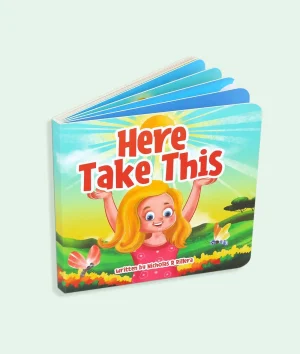
Saddle stitch binding is particularly suitable for coloring books, activity books, puzzle books, and children’s educational materials. The pages open wide and stay flatter than many other binding styles, making it easier for users to color, draw, write, or complete activities comfortably.
Educational Materials
Schools, universities, training centers, and educational organizations frequently use saddle stitched booklets for workbooks, lesson plans, study guides, worksheets, course materials, and instructional resources. The low production cost makes it practical for distributing materials to large groups of students while maintaining durability for everyday use.
Annual Reports and Corporate Publications
Many businesses choose saddle stitch binding for annual reports, company newsletters, corporate presentations, and shareholder communications. The binding method delivers a polished appearance while remaining budget-friendly, particularly for publications with moderate page counts.
Nonprofit and Community Publications
Charities, churches, clubs, and community organizations often use saddle stitched newsletters, fundraising brochures, event guides, and informational booklets. The affordable production cost allows organizations to maximize their budgets while effectively communicating with members and supporters.
Comparison with Other Binding Methods
Choosing the right binding method is an important part of any printing project. While saddle stitch binding offers significant advantages in terms of cost, speed, and simplicity, other binding options may be more suitable for certain applications. Understanding how saddle stitch compares with perfect binding and spiral/Wire-O binding can help you determine the best solution for your publication.
Saddle Stitch vs Perfect Binding

Both saddle stitch and perfect binding are popular choices for books, catalogs, magazines, and marketing materials. However, they serve different purposes depending on page count, budget, and desired appearance.
Cost
Saddle stitch binding is generally the more economical option, especially for publications with lower page counts. Since it uses only a few staples to secure the pages, material and labor costs remain low. Perfect binding requires adhesive glue, additional trimming, and more complex production processes, resulting in higher manufacturing costs.
For booklets, catalogs, and magazines under approximately 64 pages, saddle stitch often provides the best value for money.
Production Speed
Saddle stitch binding offers faster production times due to its simple assembly process. Folded sheets are gathered, stapled, and trimmed quickly, allowing printers to complete large quantities in a short period.
Perfect binding requires additional steps, including spine preparation, glue application, curing, and finishing. These extra processes increase production time, making saddle stitch the preferred choice for projects with tight deadlines.
Durability
For thinner publications, saddle stitch binding provides excellent durability and page security. However, as page counts increase, perfect binding becomes the stronger option. The glued square spine can support thicker books and larger page counts without stressing the binding structure.
Appearance and Professional Presentation
Perfect binding creates a clean, square spine that can be printed with a title, author name, or company branding. This gives the publication a more substantial, bookstore-quality appearance.
Saddle stitch binding does not have a printable spine because the folded sheets are stapled together. However, it provides a clean, professional look that works exceptionally well for magazines, event programs, catalogs, newsletters, and promotional materials.
Saddle Stitch vs Spiral/Wire-O Binding

Saddle stitch and spiral/Wire-O binding are both practical options for manuals, workbooks, and educational materials, but they offer different advantages.
Ease of Use
One advantage of saddle stitch binding is its clean and compact design. Pages open comfortably and remain relatively flat for reading. There are no exposed coils or wires, giving the publication a neat appearance.
Spiral and Wire-O binding allow pages to fold completely back on themselves and lie perfectly flat, which can be useful for notebooks, planners, cookbooks, and training manuals. However, the coils or wires may become bent or damaged during heavy use or shipping.
Cost
Saddle stitch binding is generally more affordable because it requires only staples and minimal setup. Spiral and Wire-O binding involve additional materials, hole punching, and specialized binding equipment, increasing production costs.
For high-volume printing projects where budget is a priority, saddle stitch binding is usually the more cost-effective option.
Production Speed
Saddle stitch binding is one of the fastest binding methods available. Automated equipment can fold, staple, and trim publications quickly, making it ideal for large production runs.
Spiral and Wire-O binding require extra manufacturing steps, including punching holes and inserting coils or wires. These additional processes increase production time and can affect turnaround schedules for large orders.
Page Count Flexibility
Spiral and Wire-O binding can accommodate a wide range of page counts, from thin booklets to thick manuals and notebooks. They are less restricted by page count than saddle stitch binding.
Saddle stitch binding works best for publications with relatively low to moderate page counts, typically between 8 and 64 pages, depending on paper thickness. Beyond this range, the publication may become too bulky for efficient stapling.
Overall Appearance
Saddle stitch binding offers a sleek, magazine-style appearance that many readers find familiar and professional. It is ideal for publications intended for distribution, marketing, and promotional purposes.
Spiral and Wire-O binding have a more functional appearance and are often chosen when practicality and ease of use are more important than presentation.
Which Binding Method Is Best?
If your project requires a cost-effective, professional-looking publication with fast production times and a page count under 64 pages, saddle stitch binding is often the best choice.
If you need a thicker book with a printable spine, perfect binding may be more suitable. If your publication requires pages to fold completely flat for writing, note-taking, or reference purposes, spiral or Wire-O binding may be the better option.
Print Saddle Stitch Book with Us
At BookPrintingChina, we specialize in saddle stitch book printing. Whether you need high-volume magazine printing, high-volume catalog printing, or high-volume book printing, our team ensures fast turnaround, competitive pricing, and exceptional quality.
By choosing saddle stitch binding, you can enjoy:
Affordable high-volume printing without compromising on quality
Flexible design options with support for various sizes, page counts, and finishes
Fast production and shipping, perfect for tight deadlines
Eco-friendly materials that reduce waste and improve recyclability
With years of experience in the printing industry, BookPrintingChina is the ideal partner for your saddle-stitched publications. We combine state-of-the-art printing technology with reliable customer service to ensure your projects are delivered on time and exceed expectations.