




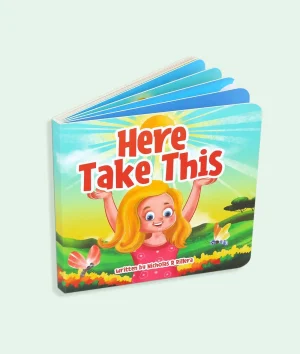

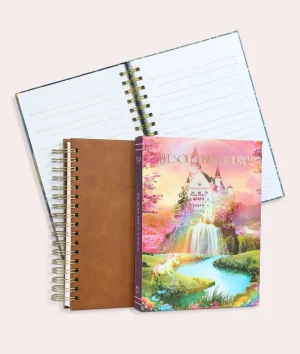



Hardcover books are widely recognized for their durability, premium appearance, and long lifespan. Whether you are publishing a children’s picture book, coffee table book, novel, cookbook, textbook, corporate publication, or collector’s edition, hardcover binding provides a professional and high-end presentation that readers appreciate.
Many authors and publishers ask, what are hardcover books made of? The answer involves much more than simply attaching pages to a hard cover. A hardcover book is a carefully engineered product composed of multiple components working together to create a sturdy, attractive, and long-lasting publication.
In this guide, we’ll explore the complete structure of a hardcover book, the materials commonly used, and the step-by-step manufacturing process that transforms printed sheets into a finished hardcover book.
Understanding Hardcover Book Structure
A hardcover book is made up of several carefully engineered components that work together to provide durability, functionality, and an attractive appearance. Unlike paperback books, which use flexible paper covers, hardcover books feature a rigid case that protects the interior pages and significantly extends the book’s lifespan. Understanding each component helps authors and publishers make informed decisions when designing a hardcover book.

The Rigid Case (Cover)
The rigid case, often referred to as the book cover, is the hard outer shell that protects the interior pages. It consists of several parts, including the cover wrap, cover boards, spine board, and hinges. Together, these elements create the sturdy structure that hardcover books are known for.
Cover Wrap
The cover wrap is the outermost layer of the hardcover case and is the first thing readers see and touch. It is wrapped around the cover boards and spine board to create the finished exterior appearance of the book.
The cover wrap serves both decorative and protective purposes. It displays the book title, author name, artwork, and branding while also protecting the underlying boards from wear and tear. Depending on the desired look and budget, the cover wrap can be made from printed paper, cloth, PU leather, or specialty materials. Various finishing options such as matte lamination, gloss lamination, soft-touch lamination, foil stamping, embossing, and spot UV can be applied to further enhance its appearance.
Cover Boards
Cover boards form the front and back covers of the hardcover book. These boards provide the rigidity and strength that distinguish hardcover books from paperbacks.
Most hardcover books use recycled grayboard because it offers excellent durability, stability, and cost-effectiveness. The thickness of the board affects the overall feel and sturdiness of the book. Standard hardcover books typically use grayboard ranging from 2.5 mm to 3.0 mm thick.
Spine Board
The spine board is positioned between the front and back cover boards and forms the spine section of the hardcover case. It plays an important structural role in supporting the book block and ensuring the book opens and closes properly.
The spine board serves several functions:
Supports and protects the book block
Displays the book title, author name, and publisher information
Maintains the structural integrity of the cover
Helps the book open smoothly and comfortably
Depending on the design and page count of the book, the spine may be manufactured with either a square spine or a rounded spine. Square spines are commonly used for most modern hardcover books, while rounded spines are often found in traditional and premium editions.
Joint and Hinge
The joint is the narrow channel between the spine board and the cover boards. This small gap allows the cover to move independently from the spine when the book is opened.
The hinge is the flexible area created by the joint and is one of the most important structural components of a hardcover book. Every time a reader opens or closes the book, the hinge absorbs the movement and stress.
A properly constructed hinge:
Allows smooth opening and closing
Reduces stress on the binding
Improves durability
Extends the lifespan of the book
Without a strong hinge, the cover can separate from the book block over time.
The Book Block
The book block refers to all the interior pages of the book after they have been printed, folded, collated, and bound together. It forms the reading part of the book and is manufactured separately before being attached to the hardcover case.
Signatures
Hardcover books are not printed page by page. Instead, large sheets of paper called parent sheets are printed and then folded into groups of pages known as signatures.
Common signature sizes include:
8 pages
16 pages
24 pages
32 pages
After folding, multiple signatures are gathered in the correct order and sewn together to form the book block. This method not only improves production efficiency but also creates a much stronger and more durable binding compared to single-sheet construction.
Spine
The spine of the book block is the folded edge where all signatures are sewn and connected together. It is one of the most critical parts of the book’s structure.
The quality of the spine directly affects:
Binding strength
Page retention
Opening flexibility
Lay-flat performance
Long-term durability
Premium hardcover books typically use Smyth-sewn signatures, which create a flexible yet extremely strong spine capable of withstanding years of use.
Head and Tail Bands
Headbands and tail bands are decorative strips attached to the top and bottom edges of the spine. Historically, they were hand-sewn to provide additional reinforcement to the spine. Today, they are mainly used for aesthetic purposes.
Head and tail bands help:
Enhance the appearance of the book
Create a premium and traditional look
Conceal small gaps between the spine and book block
Add decorative color accents
They are available in a wide variety of colors, patterns, and materials to complement the overall design of the book.
Backing Material
After the signatures are sewn together, additional reinforcing materials are applied to the spine area. These materials are collectively known as backing materials.
Common backing materials include:
Mull cloth
Crash cloth
Super cloth
Spine paper
Gauze reinforcement
The purpose of backing material is to strengthen the spine and securely hold the signatures together. It significantly improves the durability of the book and helps prevent pages from loosening over time.
Endsheets
Endsheets, also called endpapers, are the sheets that connect the book block to the hardcover case. They are located at both the front and back of the book.
Each endsheet is folded in half. One side is attached to the first or last signature of the book block, while the other side is glued to the inside cover board.
Endsheets perform several important functions:
Secure the book block to the cover
Reinforce the binding structure
Improve overall durability
Provide decorative design opportunities
Create a clean and professional appearance
Publishers often use custom-printed endsheets featuring illustrations, patterns, maps, photographs, or branding elements to enhance the reader’s experience.
Ribbon Bookmark (Optional)
Ribbon bookmarks are a popular upgrade for many hardcover books, particularly premium editions, journals, planners, Bibles, and reference books.
The ribbon is attached to the spine area during the binding process and extends between the pages, allowing readers to easily mark their place.
Benefits of ribbon bookmarks include:
Convenient page marking
Improved user experience
Elegant presentation
Enhanced perceived value
Ribbon bookmarks are available in various widths, colors, and materials to match the book’s overall design.
Dust Jacket (Optional)
A dust jacket is a removable printed paper cover that wraps around the hardcover case. It typically includes folded flaps that extend inside the front and back covers.
Dust jackets commonly contain:
Cover artwork
Book title and subtitle
Author biography
Book description
Publisher information
Barcode and ISBN
In addition to serving as a marketing tool, a dust jacket helps protect the hardcover case from scratches, fingerprints, dust, and everyday wear.
The benefits of a dust jacket include:
Additional protection for the cover
Enhanced visual appeal
More space for promotional content
Increased perceived value
Greater design flexibility
For premium books, special editions, and retail publications, a well-designed dust jacket can significantly enhance shelf appeal and make the book more attractive to readers.

The Process of Hardcover Book Manufacturing
Producing a hardcover book is a complex process that combines printing, binding, and finishing techniques to create a durable and attractive final product. Unlike paperback books, hardcover books require the separate production of the book block and the rigid cover case before both components are assembled together. Each manufacturing stage plays an important role in ensuring the book’s quality, strength, and appearance.
Prepare the Book Block
The manufacturing process begins with the creation of the book block, which consists of all the interior pages of the book.
1. Printing Parent Sheets
The interior pages are first printed on large parent sheets using high-quality offset printing presses. Offset printing is the preferred method for hardcover book printing because it delivers accurate color reproduction, sharp image quality, and consistent results across large print runs.
During this stage, pages are arranged according to an imposition layout, ensuring that they appear in the correct sequence once the sheets are folded into signatures. Careful planning at this stage is essential because any errors in imposition can affect the entire binding process.
3. Folding and Collating
The printed sheets are then folded into signatures, which are groups of pages arranged in a specific order. Depending on the book’s design and page count, signatures may contain 8, 16, 24, or 32 pages. After folding, the signatures are collated and gathered in the correct sequence to form the complete book block. Modern binding equipment automatically verifies the order of signatures to ensure that every book contains all pages in the proper arrangement.
4. Sewing Signatures
For high-quality hardcover books, the collated signatures are sewn together using strong thread. This process, commonly known as Smyth sewing, creates one of the strongest binding structures available in book manufacturing. Unlike adhesive-only binding methods, sewn signatures provide superior durability, better page retention, and improved opening flexibility. The resulting book can open more comfortably and withstand frequent use for many years without pages becoming loose.
5. Adding Head and Tail Bands
After the signatures have been sewn together, decorative headbands and tail bands are attached to the top and bottom of the spine. Although these bands originally served a structural purpose in traditional bookbinding, they are now primarily decorative elements that enhance the overall appearance of the book. Head and tail bands help create a refined, professional look often associated with premium hardcover editions.
6. Applying Backing Material
The next step involves reinforcing the spine with backing materials. Depending on the book’s specifications, materials such as mull cloth, spine paper, or gauze fabric may be applied to the spine area. These reinforcing materials stabilize the sewn signatures, strengthen the spine structure, and improve the book’s overall durability. Proper spine reinforcement is especially important for books that are expected to receive frequent handling or long-term use.
7. Trimming
Once the spine reinforcement is complete, the book block undergoes trimming. The top edge, fore edge, and bottom edge are precisely trimmed to create clean, uniform dimensions. This step removes any uneven edges created during folding and sewing, resulting in a neat and professional appearance. Trimming also establishes the final size of the book block before it is attached to the hardcover case.
Cover Production
While the book block is being manufactured, the hardcover case is produced separately. This parallel production process improves efficiency and allows both major components to be completed before final assembly.
1. Printing the Cover Material
For printed case-bound books, the cover artwork is first full color printed on coated paper, typically 157gsm. This printed sheet contains all cover design elements, including the title, author name, illustrations, logos, and other branding details. High-quality offset printing ensures sharp images, accurate colors, and consistent reproduction throughout the print run. After printing, the cover sheets are cut to the precise size required for the hardcover case.
It is worth noting that this step is not required for cloth-bound, PU leather, or specialty material covers unless a printed label or printed wrap is being used.
2. Applying Finishing Effects
Before the cover is assembled onto the boards, various finishing techniques may be applied to enhance both its appearance and durability. The most common finishing option for printed cover is lamination, which protects the printed surface from scratches, moisture, and everyday handling. Publishers can choose from gloss lamination for a vibrant shine, matte lamination for an elegant look, or soft-touch lamination for a luxurious velvet-like feel.
For premium hardcover books, additional decorative effects are often added. Foil stamping in gold, silver, rose gold, holographic, or custom colors can create striking metallic accents. Spot UV coating adds a glossy highlight to selected design elements, while embossing and debossing create raised or recessed textures that add depth and sophistication. Die-cut windows and custom shapes can also be incorporated to create a unique and memorable cover design. These finishing enhancements help the book stand out while increasing its perceived value.
3. Cutting the Cover and Spine Boards
Once the cover material is prepared, the rigid boards that form the hardcover structure are cut from high-density grayboard. A standard hardcover case consists of three separate pieces: the front cover board, the back cover board, and the spine board. The thickness of the grayboard typically ranges from 2.5 mm to 3 mm, depending on the book’s size, page count, and desired durability.
4. Wrapping the Boards
The final step in cover production is wrapping the printed or special material cover around the grayboards. During this process, the front cover board, spine board, and back cover board are accurately positioned on the reverse side of the cover wrap with carefully measured gaps between them to create the book’s hinges.
The cover material is then wrapped around the edges of the boards, folded inward, and securely glued in place. This transforms the separate components into a single rigid hardcover case. After wrapping, the case is pressed to ensure strong adhesion and smooth surfaces, then allowed to dry completely before moving to the casing-in stage, where it will be joined with the book block.
Assembly
After both the book block and hardcover case have been completed, the two components are brought together during the casing-in process.
1. Endpaper Attachment
The endsheets are first attached to the front and back of the book block. These endsheets serve as the connection point between the interior pages and the hardcover case. Proper attachment is essential because the endsheets help support the weight of the book block and contribute significantly to the strength of the binding.
2. Gluing
The outer sides of the endsheets are then glued to the inside surfaces of the cover boards. This permanently joins the book block to the hardcover case. High-quality adhesives are used to ensure strong bonding and long-term durability. Accurate glue application is critical, as it directly affects the lifespan and performance of the finished book.
3. Pressing the Groove
After the book block has been inserted into the case, the book passes through casing-in equipment that presses grooves along both sides of the spine. These grooves form the hinges that allow the cover to open smoothly and comfortably. In addition to improving functionality, the grooves give hardcover books their distinctive professional appearance. The completed book is then pressed and dried to stabilize the structure before final inspection.
Optional Steps
Several optional features can be added during the final stages of production to further enhance the book’s appearance and functionality.
1. Dust Jacket Production
For books that require a dust jacket, the jacket is printed separately from the hardcover case. The process typically includes printing, lamination, foil stamping, embossing, and folding, depending on the desired design. Once completed, the dust jacket is wrapped around the finished hardcover book.
2. Ribbon Bookmark Installation
Ribbon bookmarks are often added to premium hardcover books, journals, planners, and special editions. During production, the ribbon is secured within the spine area before final assembly. Available in various colors, widths, and materials, ribbon bookmarks provide a convenient way for readers to mark pages while adding an elegant finishing touch to the book.
The Core Materials of Producing Hardcover Books
The quality, durability, and overall appearance of a hardcover book largely depend on the materials used in its construction. Each component—from the cover wrap to the interior paper—plays an important role in defining how the book looks, feels, and performs over time. Selecting the right combination of materials is essential for achieving the desired balance between aesthetics, functionality, and production cost.
Cover Wrap
The cover wrap is the outermost visible layer of a hardcover book and is responsible for its visual identity and tactile experience.
Printed Coated Paper with Lamination: One of the most common options is printed coated paper, typically use 157gsm. This material allows for high-resolution full-color printing and is usually finished with gloss, matte, or soft-touch lamination to enhance durability and texture. Additional decorative techniques such as foil stamping, spot UV coating, embossing, and debossing can be applied to create premium visual effects and highlight specific design elements.
Cloth Covers: Cloth is another widely used cover material, valued for its elegant and timeless appearance. It is available in a wide variety of colors and textures and can be further customized with foil stamping, embossing, debossing, full color printing, or tip-in images. Cloth covers are commonly used for high-end editions, coffee table books, and collectible publications due to their sophisticated finish.
PU Leather Covers: PU leather is also a popular choice for premium hardcover books. It offers a leather-like appearance while being more cost-effective and versatile. Available in multiple colors and textures, PU leather covers can also be enhanced with foil stamping, embossing, and debossing to create a refined and luxurious look. This material is frequently used for journals, corporate gifts, and special editions.
Special Materials: Specialty papers provide additional creative flexibility for hardcover covers. These include linen-textured paper, leather-like paper, metallic paper, and other decorative paper stocks that offer unique visual and tactile effects. They are often selected for projects that require a distinctive or artistic presentation.


Cover Board Thickness
The structural strength of a hardcover book comes primarily from its grayboard, which forms the rigid cover structure. The most commonly used thickness ranges from 2.5 mm to 3.0 mm. The appropriate thickness depends on factors such as the book’s size, page count, weight, and budget. Larger or heavier books typically require thicker boards to ensure long-term durability and stability.


Endsheets
Endsheets, also known as endpapers, are the important connecting pages between the interior book block and the hardcover case. They play both a structural and aesthetic role in hardcover book production. Typically, endsheets are made from 140gsm to 180gsm offset paper or 157gsm coated paper (can choose from gloss or matte art paper, depending on the desired look and function).
The selection of endsheet material largely depends on the book’s design requirements, intended use, and total page count. For instance, books with more than 400 pages usually require stronger 180gsm offset paper to provide additional durability and better support at the binding area, helping the book withstand long-term handling. But, when endsheets are designed with full-color printing, illustrations, or photographic artwork, 157gsm coated paper is often preferred because it delivers sharper image reproduction, richer colors, and a more premium visual finish.

Interior Paper
The interior paper of a hardcover book plays a crucial role in determining readability, print quality, durability, and the overall reading experience. Different paper types and weights are selected based on the book’s content, design style, and intended use, ensuring the best balance between visual performance and practicality.
Coated Paper
Coated paper, available in both glossy and matte finishes, typically ranges from 80gsm to 200gsm. It is widely used for image-rich publications such as art books, photography books, cookbooks, and children’s picture books because of its excellent color reproduction and sharp print quality.
For shorter books with fewer than 32 pages, heavier paper such as 200gsm is often recommended. This provides a more premium feel, enhances stiffness, and reduces show-through between pages. For books with higher page counts, lighter weights such as 105gsm or 128gsm are generally preferred to maintain a reasonable book thickness and improve handling comfort while still delivering high-quality images.
Uncoated Paper
Uncoated paper, typically ranging from 70gsm to 160gsm, is commonly used for novels, workbooks, educational materials, and journals due to its natural texture and strong readability. It offers a smooth writing surface and a more traditional reading experience.
For novels, lighter paper such as 70–80gsm is often chosen to keep the book lightweight, portable, and cost-efficient while maintaining good opacity. For children’s coloring books, heavier uncoated paper in the range of 140–160gsm is recommended to prevent ink from bleeding through the page and to support the use of markers or colored pencils. For premium journals, mid-range weights such as 100–120gsm uncoated paper provide a balanced combination of durability, smooth writing performance, and a high-quality feel.
Cream Paper
Cream paper, typically between 60gsm and 120gsm, is frequently used in novels and literary publications. Its warm tone helps reduce eye strain, making it ideal for long reading sessions. Compared to standard white paper, cream paper offers a softer and more comfortable reading experience, which is why it is often chosen for fiction, classic literature, and book-length manuscripts where readability is a priority.
Bible Paper
Bible paper, ranging from 30gsm to 50gsm, is an ultra-thin yet highly durable paper designed for books with very high page counts. It is commonly used for reference books, dictionaries, encyclopedias, and religious texts. Despite its thinness, it maintains good opacity and strength, allowing large books to remain compact and manageable without becoming overly thick or heavy.


Choosing the Right Interior Paper
When selecting interior paper, several important factors must be considered to ensure the best result for the final product. These include the book’s content design, whether it is image-heavy or text-heavy, the total page count and physical size of the book, budget requirements, and the intended reading experience. All of these elements work together to determine the most suitable paper type and weight, ensuring both visual quality and functional performance are achieved for the specific publishing project.
Dust Jacket
A dust jacket is a protective and decorative paper cover wrapped around the hardcover case. For standard and small-sized books, dust jackets are typically printed on 157gsm coated paper with a gloss or matte finish. For larger or oversized books, 200gsm paper is often recommended to ensure better durability and handling.
Dust jackets can also be enhanced with various finishes, including lamination, foil stamping, spot UV, embossing, and die-cut effects. These enhancements not only improve visual appeal but also add texture, depth, and a premium feel to the overall presentation of the book.
Why Consider Hardcover Binding?

Hardcover books remain the preferred choice for many publishers because of their numerous advantages. Compared to paperback binding, hardcover books offer a higher level of protection and a more professional appearance, making them suitable for a wide range of publishing needs.
Exceptional Durability
One of the primary advantages of hardcover books is their outstanding durability. Constructed with rigid boards and reinforced sewn binding, hardcover books are designed to withstand frequent handling and long-term use without easily wearing out. This makes them especially suitable for environments where books are used repeatedly, such as libraries, schools, and academic institutions. They are also commonly used for children’s books, reference materials, and collectible editions where long-lasting quality is essential.
Better Lay-Flat Performance
Hardcover books with sewn binding offer improved opening performance compared to glue-bound paperbacks. The structure allows the book to open wider and lie flatter, which significantly enhances usability. This feature is ideal for cookbooks, art books, educational materials, and journals, where readers often need to view or reference content hands-free while writing, studying, or following instructions.
Premium Design Appeal
Hardcover books are widely recognized for their premium look and feel. The solid structure, combined with optional high-end finishing techniques such as foil stamping, embossing, cloth covers, and dust jackets, creates a strong visual and tactile impression. These design elements elevate the overall presentation of the book and help communicate quality, professionalism, and value. As a result, many readers naturally associate hardcover editions with prestige and higher production standards.
Longer Lifespan
When properly manufactured, hardcover books can last for decades without significant deterioration. The combination of strong binding and durable cover boards, ensures that the book remains intact even after long-term use. This extended lifespan makes hardcover binding a smart investment for publications intended for archival purposes, educational use, or long-term distribution.
Increased Retail Value
Hardcover editions typically command higher retail prices compared to paperback versions. This is largely due to their enhanced durability, superior materials, and more refined presentation. The premium nature of hardcover books often allows publishers to position them at a higher price point, improving overall profit margins while offering readers a more valuable product.
Enhanced Gift and Collector Appeal
Hardcover books are often chosen for special editions, commemorative releases, and gift publications due to their elegant and luxurious appearance. Their solid structure and high-end finishing options make them ideal for collector’s items, anniversary editions, and presentation copies. As a result, hardcover binding continues to be the preferred choice for books intended to leave a lasting impression.
Where to Print Hardcover Books?
If you’re looking for a reliable hardcover book manufacturer, BookPrintingChina offers professional hardcover book printing services for authors, publishers, self-publishers, educational institutions, and businesses worldwide.
Our experienced team can help you select the ideal cover materials, board thicknesses, interior paper, and finishing techniques to create a hardcover book that meets your quality expectations and budget requirements.
Whether you need a few copies or tens of thousands, we offer professional production, strict quality control, and worldwide shipping to help bring your publishing project to life.


4 Responses
测试评论
nice try
新测试
good