


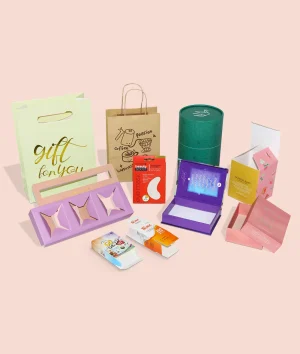
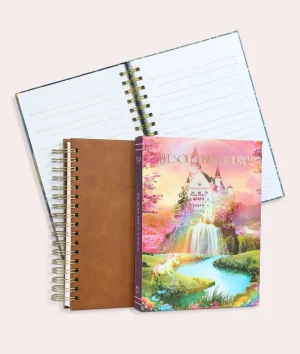
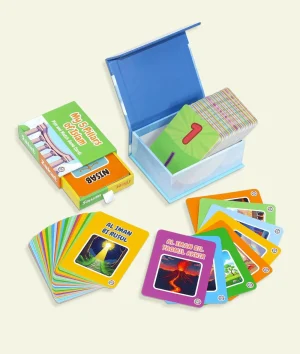
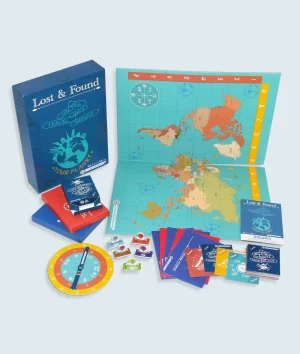


A well-designed playing card box does much more than protect cards during storage and transportation. For collectors, gamers, and customers, the packaging is the first physical experience with your card product. A premium playing card box can improve brand recognition, create a memorable unboxing experience, and increase the perceived value of your custom card deck.
Whether you are creating a playing card game, tarot card deck, oracle cards, educational cards, promotional cards, or a custom board game, choosing the right packaging is an important part of product development. The box structure, material, printing method, finishing options, and artwork preparation all influence the final appearance and durability of your product.
This guide explains the most important factors to consider when designing and printing custom playing card boxes, including box types, dimensions, materials, finishing options, cost factors, and artwork requirements.
Why Packaging Matters for Playing Cards
Playing cards are often handled repeatedly during gameplay, collection, or daily use. Without proper packaging, cards can easily become damaged by dust, moisture, scratches, bending, and transportation. A high-quality playing card deck box provides essential protection while also improving the overall customer experience.
Protect Cards During Storage and Shipping
The main purpose of playing card packaging is to keep the card deck safe. A properly sized box prevents cards from moving around too much inside the package, reducing the risk of corner damage, scratches, and surface wear.
For collectible cards, tarot cards, oracle cards, and premium game decks, protective packaging is especially important because customers often expect the cards to maintain their original condition.
Improve Product Presentation
Packaging creates the first impression before customers even open the card deck. A professionally designed custom playing card box can showcase your artwork, brand identity, and product theme.
For example:
A luxury tarot deck may use a rigid box with foil stamping and matte lamination.
A family card game may use a colorful tuck box with bright illustrations.
A collectible card game may use premium magnetic boxes.
The right packaging style helps communicate the quality and purpose of your product.
Create a Better Unboxing Experience
For many modern products, unboxing has become part of the customer experience. A carefully designed custom card box can make opening the product feel more special and memorable.
Features such as:
Magnetic closures
Custom inserts
Ribbon pulls
Printed interiors
Special finishing effects
can turn ordinary playing card packaging into a premium presentation.
Strengthen Brand Recognition
A custom playing card box is also a marketing tool. Your logo, artwork, colors, and design elements can help customers recognize your brand and remember your product.
For publishers, game creators, and businesses, consistent packaging design across different products can help build a professional brand image.
Common Playing Card Box Types
Choosing the right box structure depends on your card type, budget, product positioning, and additional components. Below are the most common custom playing card box options.
1. Tuck Box
A tuck box is one of the most popular and economical choices for playing card packaging. It is commonly used for standard playing cards, poker cards, flash cards, educational cards, and simple game decks.
A tuck box is made from folding paperboard with a tuck flap that closes the package. The compact structure makes it lightweight, affordable, and easy to produce.
Advantages of Tuck Boxes:
Cost-effective for large quantities
Lightweight and easy to ship
Suitable for standard card decks
Easy to customize with full-color printing
Available with different paper finishes
Typical materials include 300gsm or 350gsm C1S cardboard, which provides enough strength for daily handling.
Tuck boxes are ideal when you need attractive packaging while keeping production costs controlled.

2. Lid-and-Base Rigid Box
A lid-and-base rigid box, also called a two-piece rigid box, is one of the most common premium packaging solutions for playing cards.
This structure consists of:
A separate top lid
A bottom tray
The rigid construction provides excellent protection and creates a high-end unboxing experience.
Lid-and-base boxes are commonly used for:
Luxury playing cards
Tarot cards
Oracle decks
Collector card sets
Premium board game cards
The standard structure usually uses 2–3mm grey board wrapped with printed paper or specialty wrapping materials.
Benefits:
Strong and durable
Premium appearance
Suitable for long-term storage
Supports additional inserts and accessories
You can customize the box with different finishes, inserts, and interior printing to match your product concept.

3. Magnetic Closure Rigid Box
Magnetic closure rigid boxes provide a luxurious opening experience with a hidden magnetic mechanism inside the lid.
This type of packaging is often selected for premium card decks, collector editions, and gift products.
The magnetic closure creates:
A secure closing system
A premium presentation
A reusable storage solution
Magnetic boxes can also include custom inserts to hold:
Card decks
Guidebooks
Dice
Tokens
Game accessories
Although the production cost is higher than standard rigid boxes, magnetic packaging can significantly increase the perceived value of a premium product.

4. Drawer Rigid Box
A drawer rigid box features a sliding tray that pulls out from an outer sleeve. This structure provides a unique opening experience and excellent protection.
Drawer boxes are popular for:
Tarot card sets
Oracle card collections
Limited edition decks
Premium gift card products
Common customization options include:
Ribbon pull tabs
Foam inserts
Printed sleeves
Multiple compartments
This structure works especially well when your product includes multiple components that need organized storage.

5. Shoulder Neck Rigid Box
A shoulder neck rigid box is a premium packaging style with an inner tray, shoulder structure, and outer lid.
This design creates a layered appearance and provides a more sophisticated presentation compared with standard rigid boxes.
It is suitable for:
Luxury card collections
Collector editions
High-end gift sets
The additional layers require more manufacturing steps, so the cost is generally higher than simple rigid boxes.

6. Tin Box
Tin boxes provide strong durability and a unique alternative to traditional paper packaging.
They are often used for:
Travel card games
Promotional card decks
Collectible cards
Children’s card games
Advantages include:
Excellent protection
Long service life
Premium metallic appearance
Reusable storage
Tin boxes can be customized with printed designs, and different shapes.

7. Organize Inserts and Trays
For card games with multiple components, custom inserts and trays help keep everything organized inside the box.
Common accessories include:
Card holders
Paperboard dividers
Foam inserts
Plastic trays
Compartments for dice and tokens
Custom inserts are especially useful for board games and complex card games that include multiple pieces.
A well-designed insert not only protects components but also improves the overall user experience by making setup and storage easier.

How to Measure Playing Card Box Dimensions
Choosing the correct dimensions is one of the most important steps when creating custom playing card boxes. A box that is too tight may damage the cards, while a box that is too large can allow the deck to move around and reduce the premium feel of the product.
The final playing card box dimensions depend on several factors, including:
Card size
Number of cards in the deck
Card thickness
Additional components
Insert or tray design
Packaging material
Before creating a custom card box, it is important to understand how these factors affect the final structure.
Card Deck Thickness Determines Box Depth
The thickness of the playing card deck is the main factor that determines the depth of the box.
The thickness depends on:
Number of cards
Cardstock thickness
For example, a 300gsm card stock will usually thinner than a 350gsm card stock.
Measuring Dimensions for Tuck Boxes
Tuck boxes are relatively simple because they are made from folding paperboard.
For a standard tuck box, the inside box size should usually include approximately 3mm extra space on each side compared with the finished card deck size.
This additional space allows:
Easier card insertion and removal
Protection against friction
Manufacturing tolerance
For example:
If your finished card deck size is:
Length: 63mm
Width: 88mm
Thickness: 20mm
The inside tuck box size should be slightly larger to ensure the deck fits comfortably.
Measuring Dimensions for Rigid Boxes
Rigid boxes require more detailed calculations than tuck boxes because they are made with multiple layers, including grey board, wrapping paper, and additional interior components.
For example, when creating a lid-and-base rigid playing card box, you need to consider the following dimensions:
1. Base Box Size
The inner dimensions of the base box should provide enough space to hold all product components, including:
Card deck
Guidebook
Tokens
Dice
Other accessories
Custom inserts
The base box size determines how securely and comfortably your products fit inside. A properly sized base box helps prevent components from moving while providing a better user experience.
2. Lid Box Size
The lid size is usually slightly larger than the base size to allow smooth opening and closing.
The lid dimensions need to consider:
Base box thickness
Required clearance between lid and base
A properly calculated lid size ensures a secure fit while allowing customers to easily remove and close the lid without damaging the box.
3. Extra Components
If your playing card packaging includes additional components, these must also be considered when calculating the final box dimensions.
Common additions include:
Foam inserts
Paper trays
Dividers
Multiple compartments
Card holders
Since rigid box structures involve more complex calculations than standard tuck boxes, accurate measurements are essential before creating the production dieline.
Need Help Calculating Your Box Size?
If you are unsure about the correct custom playing card box dimensions, you can provide your product specifications, including:
Card size
Number of cards
preferred cardstock
Additional components
Preferred box style
Our team can help calculate the suitable box size and provide a custom dieline template for artwork preparation.
How to Design a Playing Card Box

A successful custom playing card box design should balance appearance, functionality, and production requirements. The packaging should match your card deck theme while providing enough protection for the product.
Here are important design considerations when preparing your playing card packaging.
Match Your Playing Card Theme
The box design should visually connect with the cards inside.
Your packaging artwork should reflect:
Card illustrations
Game theme
Brand style
Target audience
For example:
A fantasy card game may use:
Dark colors
Fantasy illustrations
Metallic foil effects
A children’s educational card deck may use:
Bright colors
Friendly characters
Simple graphics
A luxury tarot deck may use:
Elegant patterns
Premium finishes
Minimalist design elements
A consistent design between the cards and the box creates a more professional product experience.
Fit Your Card Deck and Game Components
Before designing artwork, make sure the packaging structure matches your product requirements.
Many modern card games include more than just cards. Your custom playing card box may need space for:
Card decks
Instruction booklets
Dice
Tokens
Score sheets
Accessories
For products with multiple components, consider using:
Rigid boxes
Custom trays
Paperboard inserts
Dividers
A well-designed interior structure keeps all components organized and improves usability.
Highlight Your Brand Identity
Your playing card packaging is an important part of your brand presentation.
Consider including:
Brand logo
Product name
Unique design elements
Website or social media information
Product description
For publishers, game creators, and businesses, consistent packaging design helps customers recognize your products across different collections.
Consider the Opening Experience
The way customers open your product can influence how they perceive its quality.
Different box styles create different experiences:
Tuck boxes provide a simple and convenient opening.
Rigid boxes create a premium unboxing experience.
Magnetic boxes provide a luxury gift-style presentation.
Drawer boxes create a unique reveal process.
Choose the opening style that matches your product positioning and customer expectations.
Material Choices That Support Structure and Durability
The right material choice affects the strength, appearance, and cost of your custom card box printing project.
Different box structures require different materials.
Materials for Tuck End Boxes
Tuck boxes are usually made from folding paperboard because they need to be lightweight, flexible, and easy to fold.
Common material options include:
1. 300gsm or 350gsm C1S Cardboard
This is the standard choice for most playing card deck boxes.
Advantages:
Good stiffness
Smooth printing surface
Cost-effective
Suitable for full-color printing
C1S cardboard has one coated side that provides excellent print quality, while the other side allows easy folding and gluing.
2. Premium Paper Options
For special products, you can upgrade the tuck box material with:
Soft-touch coated paper
Metallic foil paper
Textured paper
Specialty colored paper
These materials can create a more distinctive appearance and enhance the premium feeling of the packaging.
Materials for Rigid Playing Card Boxes
Rigid boxes are designed for strength and durability.
The standard construction usually includes:
1.5–3mm Grey Board
The grey board creates the strong structure of the box.
Benefits include:
Excellent rigidity
Better protection
Premium appearance
Long-lasting durability
The grey board is usually wrapped with printed paper or specialty wrapping materials.


Wrapping Paper Options
Common wrapping materials include:
157gsm art paper
Textured paper
Specialty paper
Foil paper
The wrapping paper provides the printable surface where your artwork, branding, and finishing effects are applied.
Consider Special Finishing Touches for Playing Card Packaging

Finishing options can enhance the appearance, durability, and overall value of your custom playing card packaging. From simple protective coatings to premium decorative effects, the right finishing choice can help your playing card box stand out and create a memorable unboxing experience.
The best finishing option depends on your product style, target customers, design requirements, and production budget.
Lamination
Lamination is one of the most common finishing options for playing card boxes. It adds a protective layer to the packaging surface while improving its appearance and durability.
Glossy lamination: Creates a bright and vibrant surface with a shiny appearance. It helps enhance printed colors and provides better resistance against moisture, fingerprints, and daily handling, making it suitable for colorful card games and promotional decks.
Matte lamination: Provides a smooth, elegant surface with reduced reflection. It creates a professional and premium look, making it a popular choice for modern card games, educational decks, and high-quality playing card packaging.
Soft-touch lamination: Offers a smooth, velvet-like texture that provides a luxurious tactile experience. It is commonly used for premium card decks, and collector editions packaging where a high-end look and feel are important.
Scratch-resistant lamination: Provides enhanced surface protection against scratches, scuffs, and daily wear. It is a practical choice for playing card boxes that require extra durability, especially for frequently handled products, collectible decks, and retail packaging.
Varnish
Varnish is a lightweight surface coating applied to printed areas to improve protection and appearance.
Glossy varnish: Creates a shiny finish that enhances color brightness and adds a smooth surface effect. It is a cost-effective option for playing card boxes that need extra protection while maintaining an attractive appearance.
Matte varnish: Provides a subtle, non-reflective finish with a natural and professional look. It helps protect the printed surface while maintaining a clean and elegant design style.
Foil Stamping
Foil stamping adds metallic or specialty effects to specific areas of the box, creating an eye-catching premium appearance.
Popular foil options include:
Gold foil
Silver foil
Copper foil
Holographic foil
Foil stamping is often applied to:
Brand logos
Product titles
Decorative patterns
Key artwork elements
It works especially well with minimalist designs, luxury card decks, and collector editions.
Spot UV
Spot UV applies a glossy raised coating to selected areas of the packaging, creating contrast between matte and shiny surfaces.
It can be used to highlight:
Logos
Artwork details
Decorative patterns
Important design elements
A popular combination is matte lamination with spot UV, which creates an elegant contrast and adds depth to the overall packaging design.
Embossing and Debossing
Embossing and debossing are techniques that create a three-dimensional effect on the box surface.
Embossing: Raises selected design elements above the surface.
Debossing: Presses design elements into the surface.
These techniques can add texture, depth, and a premium tactile experience to your custom playing card box, making the packaging feel more unique and luxurious.
Cost Factors When Custom Playing Card Boxes
The cost of custom playing card boxes depends on several factors, including box structure, materials, printing methods, finishing options, custom features, and order quantity. Understanding these factors can help you select the right playing card packaging solution that matches your product requirements, design goals, and budget.
Below are the key factors that influence the cost of custom card box printing.
Board Thickness
The thickness of the packaging material directly affects both the durability and production cost of your playing card box.
For example, standard tuck boxes usually use 300gsm or 350gsm C1S cardboard, which provides a lightweight and economical packaging solution for standard card decks.
Premium rigid boxes typically use 1.5–3mm grey board wrapped on printed paper, offering stronger protection, better structural support, and a more luxurious appearance.
Thicker materials increase durability and create a more premium appearance, but they also increase material and manufacturing costs. Choosing the right paper and board thickness depends on your product type, expected usage, and desired packaging quality.
Box Structure and Complexity
The box structure has a major impact on the final price because different packaging styles require different materials and production processes.
A simple tuck box usually has a lower cost because it requires fewer materials and less assembly work.
Tuck Box
Tuck boxes are:
Cost-effective
Lightweight and easy to ship
Produced with simple folding and gluing processes
Suitable for standard playing card decks
Rigid Box
Rigid boxes require more materials and production steps, but they provide a more premium presentation.
They offer:
Stronger protection
Higher perceived value
A luxury unboxing experience
Complex rigid structures usually cost more because they require additional manufacturing processes.
Examples include:
Magnetic closure boxes
Drawer boxes
Shoulder neck boxes
Multi-compartment boxes
Custom inserts and trays
A simple lid-and-base rigid box is generally more affordable than a multi-layer or multi-component packaging design.
Special Finishing Options
Finishing options can enhance the appearance and tactile experience of your custom playing card packaging, but premium finishes may increase production costs.
Basic finishing options include:
Glossy lamination
Matte lamination
Premium finishing options include:
Soft-touch lamination
Scratch-resistant lamination
Foil stamping
Spot UV
Embossing
Debossing
Holographic effects
For example, a luxury tarot deck may combine matte lamination with gold foil stamping to create an elegant premium appearance, while a standard card game may only require matte lamination to achieve a professional look while controlling costs.
Material Selection
The material used for your playing card box also affects the final price.
Standard materials, such as coated art paper and regular cardboard, are commonly used because they provide good print quality and cost efficiency.
Specialty materials may increase the cost but can create a unique appearance and premium feel, including:
Textured paper
Metallic foil paper
Colored paper
Specialty recycled paper
When selecting materials, consider the balance between appearance, durability, production cost, and your target market.
Printing Methods
The printing method you choose can affect the overall cost, color quality, and production suitability of your custom card box printing project. Different printing technologies are available depending on your quantity, design requirements, material selection, and budget.
Offset printing is the most commonly used method for professional playing card packaging production. It provides excellent color accuracy, consistent print quality, and smooth results, making it ideal for medium to large production runs.
Digital printing is a flexible option for smaller quantities, short-run projects, or products that require faster production. It does not require traditional printing plates, which helps reduce setup costs for limited quantities.
Pantone color printing is used when specific brand colors or precise color matching are required. It is commonly selected for branded packaging, luxury products, and projects where consistent color reproduction is important. Since it requires additional setup and special ink preparation, it may cost more than standard CMYK offset printing.
White ink printing allows artwork to be printed on dark-colored, transparent, or specialty materials where regular CMYK printing may not provide enough contrast. It helps create clearer and more vibrant designs on unique packaging surfaces.
Screen printing creates bold and durable printed effects on certain materials. It is often used for specialty packaging applications, decorative effects, or designs that require thicker ink coverage and a distinctive appearance.


Order Quantity
Order quantity is another important factor affecting the unit price of custom playing card boxes.
Larger quantities usually reduce the average cost per box because:
Printing setup costs are distributed across more units.
Materials can be purchased more efficiently.
Production processes become more optimized.
For example, producing 5,000 custom playing card boxes generally results in a lower unit cost compared with producing 500 boxes.
However, smaller quantities may still be suitable for:
Limited editions
Kickstarter projects
Prototype products
Collector releases
The ideal order quantity depends on your sales plan, budget, and product demand.
Extra Custom Features
Extra features can improve the functionality and presentation of your playing card packaging but may increase production costs.
Common upgrades include:
Magnetic closures
Thumb cuts
Ribbon pulls
Custom inserts
Foam trays
Multiple compartments
Printed interiors
Special opening structures
For example, a premium collector card deck may require a magnetic rigid box with custom inserts, while a simple playing card deck may only need a standard tuck box.
When planning your packaging, focus on features that improve the customer experience while keeping your project within budget.
Playing Card Box File Setup Guide
Preparing your artwork correctly is essential for achieving high-quality printing results. Proper file setup helps avoid common production issues, such as missing bleed areas, incorrect colors, blurry images, or misaligned designs.
Follow these artwork guidelines when preparing your playing card deck box design for printing.
Add Proper Bleed Area
Bleed is the extra artwork area that extends beyond the cutting line. It allows for slight cutting adjustments during production and helps prevent unwanted white edges after trimming.
Tuck-End Boxes: Include 3mm (0.125 inch) bleed on all sides of the dieline. Your background colors, images, and design elements that reach the edge of the box should extend into the bleed area. This extra portion will be trimmed away during production to ensure clean and accurate edges.
For Rigid Boxes: Rigid boxes require a larger fold-over area because the printed paper needs to wrap around the edges of the grey board structure. Generally, include at least 15mm fold-over area around the edges. This extra space allows the wrapping paper to be properly folded and glued, creating a smooth and professional finished appearance.
Use High-Resolution Images
All images used in your box artwork should be high resolution to ensure sharp and clear printing results.
The recommended image resolution is at least 300 DPI.
Low-resolution images may appear:
Blurry
Pixelated
Less detailed after printing
Using high-quality images helps maintain the clarity of illustrations, artwork details, and branding elements on your playing card packaging.
Use Vector Graphics Whenever Possible
Vector graphics are recommended for important design elements, including:
Logos
Text
Icons
Line drawings
Simple illustrations
Unlike raster images, vector graphics can be resized without losing quality, making them ideal for packaging artwork that requires sharp and precise printing.
Set Artwork to CMYK Color Mode
Professional printing uses CMYK color mode, which includes:
Cyan
Magenta
Yellow
Black
Before submitting your artwork, convert files from RGB to CMYK to achieve more accurate printed colors.
RGB colors are designed for digital screens and may appear different when printed. Preparing your files in CMYK helps reduce color differences between your artwork and the final product.
Export Artwork as PDF File
For professional printing, export your final box artwork as a high-quality PDF file.
Recommended file settings include:
PDF format
Embedded fonts
Outlined text when possible
High-resolution images
A properly prepared PDF file helps ensure smoother production, accurate printing, and better final packaging quality.
Ready to Print Custom Playing Card Boxes?
At BookPrintingChina, we specialize in custom playing card box printing for game designers, publishers, independent creators, and businesses worldwide. With professional printing capabilities and packaging expertise, we help transform creative ideas into high-quality finished products.
Beyond playing card boxes, we provide complete card product manufacturing solutions, including:
Playing card boxes
Guidebooks and rulebooks
Game components
Inserts and packaging solutions
Whether you need a simple playing card deck box or premium rigid packaging, our experienced team can provide the right structure, materials, and finishing options to meet your product requirements.
More than just a printing service, we support your project from artwork preparation to final production. We provide custom dieline templates based on your product specifications and offer free file checking to review dimensions, bleed settings, image resolution, color mode, and other printing requirements before production.
From card printing to packaging assembly, BookPrintingChina offers a complete one-stop manufacturing solution for creators seeking reliable quality, professional support, and efficient production.
Contact us today for a custom quote and expert guidance for your custom playing card packaging project.