



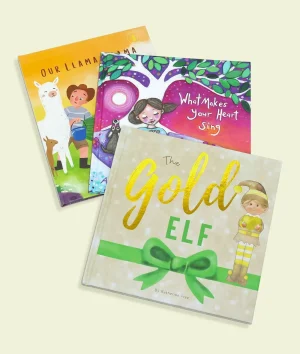
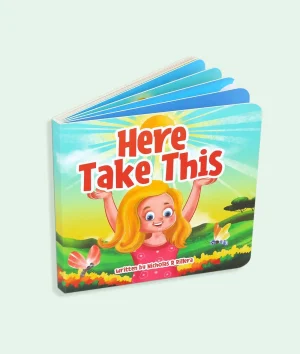

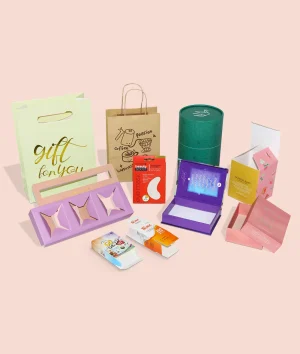
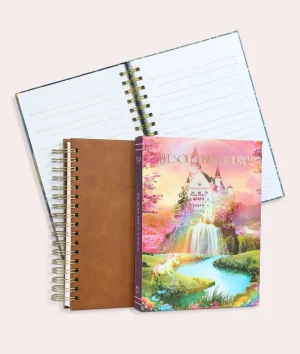
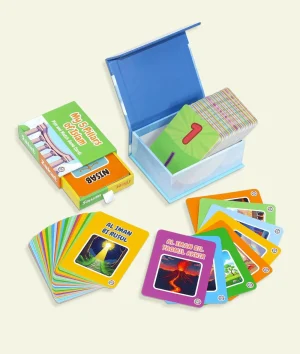
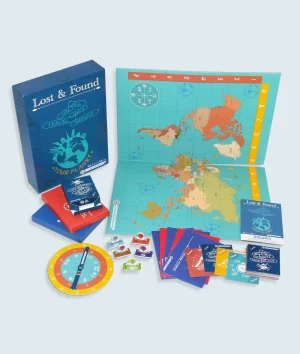



The different printing process prices of hardcover book covers are different, which directly affects the cost of hardcover book printing. A exquisite hardcover book, its printing process is very complicated, but it can bring a variety of tactile and visual impacts to readers. Therefore, before the hardcover book printing, please know more about the printing process of hardcover book printing china, which will make your hardcover book printing even better.
When we are printing hardcover books, what are the cover printing processes, let us learn more about it together below:
1. UV coating
UV (Ultraviolet) glazing process is also called ultraviolet curing glazing. The glazing technology can enhance the appearance effect of the printed matter, the colors are more vivid and bright, and it can also improve the use performance of the printed matter and enhance the protective performance of the printed matter. UV coating is divided into full-frame surface coating and partial coating. The former is called “over-UV oil” or “over-oil” by the industry, and the latter is called “partial UV”. Since partial UV coating appeared in book finishing a few years ago, it has a climax of use in 2003 and 2004. It has been widely used by publishing houses for book cover binding, especially for children, finance, literature, and management. Books of class and graphic class.
2. Laminating
The film is a transparent plastic film adhered to the surface of the book cover by hot pressing to make it resistant to friction, moisture, light, water and dirt, and to increase its luster. There are two types of films, high-gloss type and matt type. The high-gloss type film makes the surface of the book dazzling and magnificent; the matt type film makes the book simple and elegant. The dumb film makes the print color darker and softer, while the bright film makes the print color more brilliant, but it is prone to chaotic reflections. The cost of the dumb film is higher than that of the bright film. Simply put, sub-film prints can be viewed from all angles, while bright film prints can only be seen from a fixed angle. However, the plastic film currently used for the film is a non-degradable material, which is not good for environmental protection. Now 90% of the books are using this process, generally local UV coating is also done on the book cover with the film.
3. Blind embossing
This is a process of “printing” without ink. Concave and convex embossing is also called embossing. It uses matching concave and convex steel molds or copper molds to extrude the entire figure or the outer contour of the printed pattern in a concave and convex three-dimensional shape. In book binding, concave-convex embossing is mainly used to print letter sleeves, cover text and patterns or wireframes to improve the three-dimensional effect of the printed matter. It can also be printed with ink or partial UV glazing after embossing to make graphics and texts. More prominent. This process is also widely used on the cover or cover of hardcover or paperback books. With hand-carving, three or four levels of relief effects can also be made.
4. Color foil hot stamping
Color foil hot stamping is a hardcover book cover made of wood, leather, fabric, paper or plastic. The book title is printed with gold, silver, red or other colors of electrochemical aluminum foil or powder foil (matt) by heating Or patterns, wireframes, etc. The hardcover book cover looks noble and gorgeous after being hot stamped with colored foil, which can enhance the sparkle of the printed matter. This method is widely used in cover finishing. In the past, hot gold and silver were often used on the cover and back of hardcover books, but now there are more and more hot gold and silver on the cover and back of paperback books. Some paperback books are still hot stamped and silver on the ring lining and title page, because the gold and silver printed on the colored paper of the ring title can produce a unique effect.
5. Die cutting
Die-cutting is the process of using steel blades to form a die-cutting plate, and rolling and cutting printed matter or paper into a certain shape on a die-cutting machine. It can roll-cut the printed matter into arcs or other complex shapes, or punch the printed matter. Or hollow and other processing.
6. Plastic dropping
Plastic dropping is to evenly drop transparent soft or hard crystal glue onto the surface of the object, so that the surface of the object obtains a crystal-like and three-dimensional effect. It can be dripped on the surface of paper, polyester, PVC, metal and other materials. The dripped surface is also resistant to water, moisture, and UV light.