


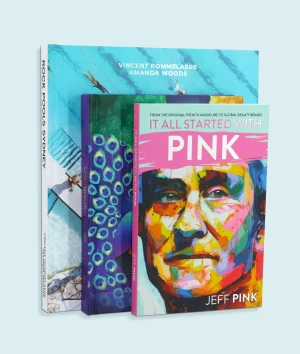
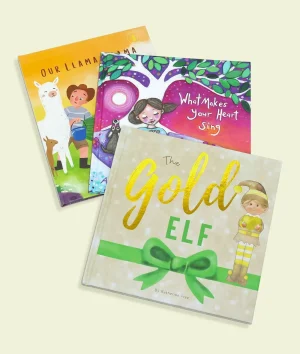
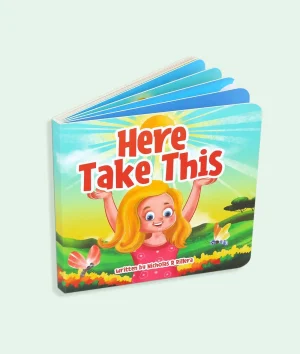


Looking for special finish or add-on options for your next children’s book? You’re not alone. In today’s competitive publishing landscape, creating a children’s book that stands out requires more than just a great story and illustrations. Physical design—how a book looks, feels, and interacts with young readers—plays a crucial role in engagement, learning, and overall reading experience.
From eye-catching covers to tactile textures and interactive features, special finishes and add-ons can transform a simple book into an immersive journey. Whether you are a publisher, author, educator, or brand developing children’s content, understanding these options will help you make informed decisions and choose the best combination for your project.
In this guide, we explore the most popular finishing techniques and interactive add-ons for children’s books, along with practical advice on selecting the right options based on your goals, audience, and budget.
Children’s Book Market Trends
The children’s book market continues to evolve rapidly, shaped by changing consumer expectations, advances in printing technology, and a growing focus on education, safety, and sustainability. Today’s children’s books are no longer just about storytelling—they are immersive products that combine visual appeal, tactile experiences, and interactive features to engage young readers. Parents, educators, and publishers are increasingly seeking books that are not only entertaining but also educational, durable, and responsibly produced. Below are the key trends influencing the modern children’s book market.
Catching the Eye
Children’s books are highly visual by nature, and first impressions matter more than ever. Whether displayed in bookstores, libraries, or online marketplaces, a book must capture attention instantly to stand out among countless options. Bright color palettes, bold illustrations, and striking cover designs play a critical role in attracting both children and purchasing decision-makers such as parents and teachers.
In recent years, publishers have increasingly turned to special finishes to enhance visual impact. Techniques like foil stamping add metallic shine that reflects light and draws the eye, while spot UV creates contrast by highlighting specific design elements with a glossy finish against matte backgrounds. Holographic effects are also gaining popularity, offering dynamic, rainbow-like reflections that change with movement and create a sense of magic and excitement.
These visual enhancements are especially important in online retail environments, where thumbnails must compete for clicks. A well-designed, visually engaging cover can significantly improve a book’s visibility and sales potential. Ultimately, “catching the eye” is not just about aesthetics—it is a strategic tool for market success.
Interactive Elements
The modern children’s book has evolved far beyond static pages. Interactive elements are now a major trend, transforming reading into a multi-sensory experience. Features such as pop-ups, lift-the-flap sections, pull-tabs, rotating wheels, and sound buttons invite children to actively participate in the story rather than passively consume it.
These interactive components serve multiple purposes. From an entertainment perspective, they add excitement, surprise, and replay value, encouraging children to revisit the book again and again. From an educational standpoint, they support learning by engaging different cognitive processes. For example, lifting a flap to reveal hidden information can reinforce memory and comprehension, while pull-tabs and movable parts help develop fine motor skills and hand-eye coordination.
Interactive books are particularly effective for early childhood development, where hands-on engagement plays a key role in learning. They are widely used in topics such as alphabet learning, counting, storytelling, and problem-solving. As competition in the children’s book market increases, interactivity has become a powerful differentiator that enhances both user experience and perceived value.
Invite Touch and Feel
In addition to visual appeal and interactivity, tactile experience has become an essential element in children’s book design. Young children, especially toddlers and preschoolers, learn about the world through their senses, and touch is one of the most important.
Books that incorporate tactile elements—such as soft-touch lamination, embossed or debossed surfaces, fabric inserts, or textured materials—offer a richer, more engaging experience. These “touch-and-feel” books encourage children to explore different textures, helping to stimulate sensory development and curiosity.
For example, a page featuring a fuzzy animal, a rough surface, or a smooth glossy area can help children associate textures with real-world objects. This type of sensory interaction not only enhances enjoyment but also supports early learning and cognitive development.
From a design perspective, tactile finishes also add a premium feel to the book, making it more appealing to buyers. As a result, publishers are increasingly integrating touch-based features as a standard component in children’s book production.
Children’s Safety
Safety remains one of the most critical considerations in the children’s book market. Since young readers often handle books roughly and may put them in their mouths, every aspect of production must meet strict safety requirements.
Materials used in printing and finishing should be non-toxic and compliant with international safety standards. Inks, coatings, adhesives, and laminations must be safe for children, particularly for books intended for infants and toddlers. Physical design is equally important—edges should be smooth or rounded to prevent injury, and any interactive components must be securely attached to avoid choking hazards.
Durability is another key factor related to safety. Children’s books should be designed to withstand frequent use without breaking apart or exposing sharp edges or loose parts. Board books, durable bindings, and sturdy materials are commonly used to ensure longevity and safety.
Sustainability
Sustainability has become an increasingly important trend in the children’s book industry, driven by growing environmental awareness among consumers. Parents, educators, and institutions are now more likely to choose products that align with eco-friendly values.
Publishers are responding by adopting sustainable practices in both materials and production processes. This includes using FSC-certified paper sourced from responsibly managed forests, soy-based or vegetable-based inks that reduce environmental impact, and recyclable or biodegradable materials.
Eco-friendly coatings and laminations are also gaining popularity as alternatives to traditional plastic-based finishes. In addition, minimizing waste during production and optimizing packaging for efficient shipping are becoming standard practices.
Sustainability is not only beneficial for the environment but also enhances brand reputation. Companies that demonstrate a commitment to responsible production can differentiate themselves in a competitive market and appeal to environmentally conscious consumers.
Why Should You Consider Special Finishes or Add-ons for Your Children’s Books?

Special finishes and add-ons are more than decorative elements—they play a key role in enhancing the overall quality, appeal, and effectiveness of children’s books. In a competitive market, these features help your book stand out while delivering a richer reading experience.
Enhance visual appeal: Eye-catching finishes such as foil stamping, spot UV, or unique textures make your book stand out instantly on shelves or online, increasing the likelihood of attracting attention and driving purchase decisions.
Improve user experience: Interactive features like pop-ups, flaps, and tactile elements transform reading into an engaging activity, making the book more enjoyable and immersive for children.
Support learning: Hands-on components encourage active participation, helping children better understand concepts, improve memory retention, and develop essential cognitive and motor skills.
Increase perceived value: Premium finishes give the book a high-quality look and feel, allowing it to be positioned as a more valuable product, ideal for retail, gifting, or special editions.
Strengthen brand identity: Consistent use of distinctive finishes and design elements helps create a recognizable visual style, building stronger brand recognition over time.
Encourage repeat reading: Interactive and sensory features make books more fun to explore, motivating children to revisit them multiple times and increasing long-term engagement.
Common Lamination & Coating Options
Lamination and coating are essential finishing processes that protect children’s books while enhancing their visual and tactile appeal. Choosing the right option can improve durability, readability, and overall presentation, especially for books that are frequently handled by young readers.
Glossy Lamination
Glossy lamination adds a smooth, shiny, and reflective layer over the printed surface, making colors appear brighter and more saturated. It enhances contrast and sharpness, helping illustrations look more vivid and lively—an important factor for children’s books that rely on strong visual storytelling.

Benefits:
Bright, eye-catching finish that attracts attention quickly
Water-resistant surface, making it easier to wipe clean
Strong protection against scratches, fingerprints, and wear
Best for: Picture books, board books, and covers with bold, colorful artwork that need to stand out.
Matte Lamination
Matte lamination provides a smooth, non-glossy surface with a refined and understated look. Unlike glossy finishes, it reduces light reflection, creating a softer visual effect that is easier on the eyes.

Benefits:
Elegant and modern appearance
Reduced glare, improving readability under different lighting conditions
Professional and premium feel without excessive shine
Best for: Storybooks, educational titles, and books designed for older children or a more classic aesthetic.
Soft-touch Lamination
Soft-touch lamination, sometimes called velvet lamination, creates a silky, smooth surface that feels soft to the touch. It adds a sensory dimension to the book, making it more engaging and memorable.

Benefits:
Luxurious, velvety texture that enhances tactile experience
High-end, premium perception
Encourages touch, supporting sensory interaction
Best for: Gift editions, premium children’s books, and designs focused on tactile engagement.
Varnish
Varnish is a liquid coating applied to printed surfaces, either across the entire page (overall varnish) or on selected areas (spot varnish). It provides a thin protective layer while maintaining a natural paper feel.

Benefits:
Cost-effective finishing option
Adds basic protection against smudges and minor wear
Can subtly enhance colors and printed details
Best for: Interior pages, or projects with tighter budgets.
Spot UV
Spot UV is a specialized coating applied to specific areas of a design to create a high-gloss effect that contrasts with a matte or uncoated background. This selective application draws attention to key elements.

Benefits:
Highlights important details such as titles, characters, logos or graphics
Creates strong visual and textural contrast
Adds a sophisticated and premium touch
Best for: Book covers, featured illustrations, and branding elements that need emphasis.
Special Finish Options
Special finishes add character, depth, and uniqueness to children’s books, helping them stand out while enhancing both visual and tactile appeal. These techniques are often used on covers or key pages to create memorable first impressions and elevate the overall quality of the book.
Foil Stamping
Foil stamping is a premium finishing technique that uses heat and pressure to transfer metallic or pigmented foil onto specific areas of the printed surface. Common foil colors include gold, silver, and rose gold, but custom colors are also available.

Effect: Creates shiny, reflective accents that immediately catch the light and draw attention, giving the book a high-end and eye-catching appearance. It is especially effective for titles, logos, or decorative elements.
Emboss
Embossing raises selected parts of the design above the surface, creating a three-dimensional effect. This process uses a metal die to press the paper from underneath, forming a raised texture.

Effect: Produces a tactile, 3D surface that readers can feel, adding depth and sensory interest. It enhances key elements such as characters, patterns, or titles, making them more engaging and interactive.
Deboss
Debossing is the opposite of embossing. Instead of raising the design, it presses the image or text into the material, creating an indented effect.

Effect: Delivers a subtle, recessed texture that gives a refined and sophisticated look. It is often used for minimalist or elegant designs where understated detail is preferred.
Gilded Edges
Gilded edges involve applying metallic or colored finishes—such as gold, silver, or custom colors—to the edges of the book pages. This technique is commonly seen in premium or collectible editions.

Effect: Creates a luxurious and polished appearance, making the book feel special and gift-worthy. It also adds durability to the page edges while enhancing shelf appeal.
Glitter
Glitter finishing incorporates sparkling particles into specific areas of the design, either through printing or coating processes.

Effect: Adds a playful, shimmering effect that captures attention and appeals strongly to children. It is particularly popular for themes like fairy tales, holidays, or magical stories.
Holographic
Holographic finishes use special materials to create multi-color, rainbow-like reflections that change depending on the viewing angle.

Effect: Delivers a dynamic and futuristic visual effect, adding excitement and uniqueness. It is ideal for creating a sense of wonder, fantasy, or modern style.
Glow in the Dark
Glow in the dark is a special finish where phosphorescent materials are applied to selected areas of the design. These elements absorb light during the day and emit a soft glow in low-light or dark environments.

Effect:
Creates an exciting nighttime visual experience that surprises and delights children. It is especially effective for bedtime stories, space themes, fantasy scenes, or educational books about night-time environments, making reading more interactive and memorable.
Die Cut
Die cutting involves using a custom-shaped blade to cut paper into specific shapes or to create windows and openings in pages or covers.

Effect: Adds creativity and visual interest by revealing layers beneath or forming unique silhouettes. It can also enhance interactivity by allowing children to peek through or engage with the design.
Round Corner
Rounded corners are achieved by trimming sharp edges into smooth curves, a simple but important finishing detail.

Effect: Provides a safer, child-friendly design by eliminating sharp corners, while also improving durability and giving the book a softer, more approachable appearance.
Interactive Custom Options
Interactive features play a vital role in transforming children’s books into engaging, multi-sensory experiences. By encouraging participation, movement, and exploration, these elements not only make reading more enjoyable but also support early learning, creativity, and skill development. Below are some of the most popular interactive options used in modern children’s book design.
1. Padding Cover
A padding cover is created by adding a thin layer of soft sponge or foam between the printed cover sheet and the rigid grey board underneath. This layer is smoothly bonded so the surface stays even while gaining a cushioned structure. The thickness and softness can be customized depending on the desired feel—ranging from lightly padded to deeply cushioned “plush-like” covers.

Benefit: Padding covers significantly enhance the tactile experience, making the book feel soft, safe, and comfortable for small hands. This is especially important for toddlers and preschool books, where physical handling is frequent and sometimes rough. In addition, padded covers give the book a premium, gift-like appearance, making them ideal for keepsake editions, baby shower gifts, and high-end retail positioning.
2. Pop-Up
Pop-up features are engineered paper mechanisms designed using precise folding, cutting, and layering techniques. When a page is opened, flat illustrations transform into three-dimensional scenes that rise from the page. These can range from simple pop-up objects like animals or trees to complex multi-layered storytelling environments.

Benefit: Pop-ups create a strong “wow” effect that immediately captures children’s attention. They turn storytelling into a visual performance, helping children better understand scenes, characters, and actions. This dynamic interaction increases excitement and encourages repeated reading. Pop-ups are especially effective in fairy tales, adventure stories, and educational storytelling where visual depth enhances comprehension.
3. Lift-the-Flap
Lift-the-flap designs involve small, securely attached paper flaps that can be lifted to reveal hidden illustrations, words, or answers underneath. These flaps are often reinforced to withstand repeated use and may include rounded edges for safety.

Benefit: This feature encourages curiosity and discovery by turning reading into a guessing game. Children are motivated to predict what is hidden, then confirm their guesses, which strengthens memory and comprehension. Lift-the-flap books are widely used in early learning topics such as alphabets, numbers, animal identification, and daily routines.
4. Sticker
Sticker-based books include either removable, reusable, or semi-permanent stickers that children can place within designated areas or freely use on creative scenes. Pages are often coated or designed with sticker-friendly surfaces to support repositioning.

Benefit: Stickers promote creativity, decision-making, and fine motor skill development. Children enjoy personalizing scenes and building their own visual stories. This interactive format also increases engagement time and encourages imaginative play beyond reading. Sticker books are commonly used for activity books, learning themes, and travel entertainment.
5. Jigsaw Puzzle Pages
Jigsaw puzzle pages are integrated directly into the book, with illustrations die-cut into puzzle shapes. These pieces can be removed and reassembled to complete an image, often stored within built-in compartments or envelopes.

Benefit: This format blends reading with problem-solving activities. It improves logical thinking, spatial awareness, and hand-eye coordination. By combining storytelling with physical assembly, children gain a deeper understanding of narrative sequences and visual structure.
6. Sound
Sound books incorporate electronic modules, including small speakers, buttons, and batteries, embedded within the page structure. These modules can produce recorded narration, music, animal sounds, or interactive effects triggered by pressing buttons or touching specific areas.

Benefit: Sound enhances storytelling by adding an auditory dimension to the reading experience. It supports language development, pronunciation learning, and auditory recognition. Sound features are especially effective for early learners who benefit from multi-sensory engagement.
7. Pull-tab
Pull-tabs are sliding paper mechanisms hidden within layered page structures. When pulled, they animate parts of the illustration, such as moving characters, changing expressions, or revealing new scenes.

Benefit: Pull-tabs introduce motion and interactivity that help children understand cause-and-effect relationships. They make reading more dynamic and playful, encouraging active participation rather than passive observation.
8. Rotating Wheel
A rotating wheel is a circular interactive element placed between page layers and visible through cut-out windows. When spun, it changes displayed images, colors, or information segments.

Benefit: This feature encourages exploration and decision-making. It is commonly used in educational books for teaching sequences, matching games, counting exercises, or storytelling variations. The rotational movement keeps children engaged and curious.
9. Touch-and-Feel Texture
Touch-and-feel books incorporate a variety of materials such as soft fabric, fuzzy textiles, rubberized surfaces, sandpaper textures, or embossed coatings applied to illustrations. Each texture corresponds to a visual element in the story.

Benefit: This feature strengthens sensory development by allowing children to physically explore different textures. It helps connect visual and tactile learning, improving memory retention and emotional engagement. It is especially effective in books about animals, nature, and everyday objects.
10. Odor
Scented elements are created using safe, child-friendly fragrance technologies embedded into printed areas or scratch-and-sniff coatings. These scents are carefully formulated to be non-toxic and long-lasting.
Benefit: Odor adds a unique sensory layer that strengthens memory association. For example, a picture of fruit can be paired with a corresponding scent. This enhances learning through multisensory reinforcement and creates a more immersive experience.
11. Mirror
Mirror features use lightweight, shatterproof reflective materials securely embedded into pages. These mirrors are designed to be safe for infants and toddlers.

Benefit: Mirrors encourage self-recognition and emotional development. Babies enjoy seeing their reflections, which supports identity awareness and social interaction skills. It also adds playful engagement within storytelling.
12. Scratch-off
Scratch-off areas are covered with a special opaque coating that can be removed using a coin or fingernail. Underneath, hidden images, messages, or rewards are revealed.

Benefit: This feature adds suspense and excitement, turning reading into a discovery game. It encourages repeated interaction and is often used in reward-based learning or activity books.
13. Tab Dividers
Tab dividers are extended, labeled sections along page edges that help organize content into categories or chapters. They may include icons, colors, or numbering systems for easier navigation.

Benefit: Tabs improve usability by helping children locate sections quickly. This is especially useful in educational, dictionary-style, or activity-based books where structured navigation is important.
14. Velcro
Velcro elements are used to attach and detach interactive components such as shapes, clothing pieces, or story elements. These pieces can be repositioned multiple times without damage.
Benefit: Velcro enhances repeatable play and learning. It supports storytelling, matching games, and role-playing activities while maintaining durability for long-term use.
Beyond standard options, modern children’s books can incorporate highly customized interactive elements such as magnetic closures, LED lighting, augmented reality (AR) integration, augmented sound tracking, or hybrid multi-feature systems.
What Factors Need to Be Considered When Selecting Finishes or Add-on Options?
Choosing the right finishes and add-ons for children’s books is not only a creative decision but also a strategic one. The best results come from balancing design, functionality, cost, safety, and production feasibility. Below are the key factors that should guide your decision-making process.
Book Genres
The genre of the book plays a major role in determining suitable finishing techniques and interactive elements. Different types of children’s books serve different purposes, so their design approach must align with reader expectations.
For example, educational books often benefit from interactive add-ons such as lift-the-flap sections, rotating wheels, or puzzle pages that encourage active learning. These features help reinforce concepts like numbers, alphabets, animals, or basic life skills.
On the other hand, storybooks and picture books may focus more on visual appeal and emotional storytelling. In these cases, finishes like foil stamping, embossing, or soft-touch lamination are more appropriate, as they enhance the mood and atmosphere without distracting from the narrative.
Understanding the genre ensures that design choices support the book’s purpose rather than overpower it.
Content Design
The structure, layout, and illustration style of the book must work in harmony with any selected finishes or add-ons. Poor alignment between content and finishing techniques can reduce readability and overwhelm the reader.
For instance, heavily illustrated pages may not need additional embellishment, while simpler layouts might benefit from interactive enhancements. It is also important to ensure that interactive elements do not obstruct key text or artwork.
A well-balanced design ensures that finishes enhance the story rather than compete with it.
Target Audience
The age group of the intended readers is one of the most critical factors. Children at different developmental stages interact with books in very different ways.
For toddlers and preschoolers, safety and simplicity are essential. Features like rounded corners, soft textures, and basic lift-the-flap elements are ideal. Complex mechanisms may not be suitable for this group.
For older children, more advanced interactions such as puzzles, sound modules, or pull-tabs can be introduced. These features support cognitive development and keep readers engaged for longer periods.
Matching the complexity of finishes to the audience ensures both usability and enjoyment.
Budget
Budget plays a significant role in determining which finishes and add-ons are feasible. Advanced features such as pop-ups, sound modules, or holographic effects typically increase production costs due to additional materials, labor, and manufacturing complexity.
It is important to strike a balance between creativity and affordability. Sometimes, combining a few cost-effective finishes with one premium feature can achieve a strong visual impact without exceeding budget constraints.
Careful planning helps maximize value while maintaining quality.
Consult with Professional Printer
Working with an experienced children’s book printer is essential for achieving the best results. Professional printers can provide valuable insights into material selection, structural design, and production limitations.
They can also suggest alternative solutions that achieve similar visual or interactive effects at lower costs or with improved durability. Early consultation helps prevent design issues during production and ensures smoother project execution.
Production Feasibility and Timeline
Not all design ideas are easy to produce. Complex features such as multi-layer pop-ups, integrated electronics, or intricate die-cutting require specialized machinery and skilled craftsmanship.
These elements often extend production timelines due to additional assembly and quality control processes. It is important to consider deadlines when selecting features, especially for time-sensitive publishing schedules or seasonal releases.
Planning ahead ensures that creative ideas are realistic and achievable within the required timeframe.
Durability
Children’s books are frequently handled, bent, and sometimes dropped, so durability is a crucial factor. Finishes and add-ons must be designed to withstand repeated use without tearing, fading, or breaking.
For example, board book binding is best for pop-up books, while laminated surfaces can protect against spills and stains. High-quality materials not only extend the life of the book but also maintain its appearance over time.
Durability directly impacts customer satisfaction and product reputation.
Safety Standards
Safety is non-negotiable in children’s book production. All materials and components must comply with relevant safety regulations to ensure they are non-toxic and child-friendly.
This includes using safe inks, secure attachment methods for interactive parts, and smooth or rounded edges to prevent injury. Small detachable elements must also be carefully evaluated to avoid choking hazards.
Meeting safety standards is essential for building trust with parents, educators, and retailers.
Sustainability Goals
Sustainability has become an increasingly important consideration in modern publishing. Many buyers now prefer eco-friendly products made from responsibly sourced materials.
Using FSC-certified paper, soy-based inks, and recyclable or biodegradable coatings can significantly reduce environmental impact. Additionally, minimizing waste during production and optimizing packaging contributes to a more sustainable supply chain.
Incorporating eco-friendly practices not only benefits the environment but also strengthens brand reputation and market appeal.
Talk with Us
Selecting the right finishes and add-ons for your children’s book printing can sometimes feel complex, especially with so many creative options available. However, you don’t have to navigate the process alone. With extensive experience in printing and packaging, BookPrintingChina provides expert support to help turn your ideas into reality.
Our team assists you at every stage—from choosing suitable materials and recommending the right special finishes, to developing interactive features and overseeing the entire production process. We focus on delivering children’s books that are not only visually appealing, but also safe, durable, and highly engaging for young readers.
Whether you are creating a simple picture book or a highly interactive, feature-rich edition, we are committed to supporting your project from concept to completion. Get in touch with us today to discover the most suitable special finishes and add-on options for your next children’s book.