





A Bible is more than a printed book. For many readers, it is a lifelong companion that is read daily, carried to church, used for study, marked with notes, and passed down through generations. Because of this, choosing the right Bible binding is an important decision that affects the book’s durability, appearance, usability, and overall reading experience.
Different Bible binding types are designed for different purposes. A study Bible that is opened frequently and contains thousands of pages requires a strong and flexible binding structure, while a gift Bible or collector’s edition may focus more on premium appearance and craftsmanship. Children’s Bibles, devotional Bibles, travel Bibles, and church Bibles may also require different binding solutions depending on how they will be used.
The binding method determines how well the Bible pages stay together, how easily the book opens, and how long it can withstand repeated handling. In this guide, we’ll explore the different Bible binding types to help publishers, ministries, authors, and organizations choose the best format for their projects.
Perfect Binding

Perfect binding is one of the most widely used and economical Bible binding types, especially for smaller Bibles, study guides, devotional books, and religious publications with fewer pages. This method uses adhesive to attach the book pages and cover together, creating a clean, professional appearance with a flat spine.
How Perfect Binding Works
In perfect binding, the printed pages are gathered into a book block. The spine edge of the pages is trimmed and roughened to allow adhesive to penetrate the paper fibers. A strong glue is then applied along the spine, and the cover is wrapped around the book block and attached.
Unlike sewn binding methods, perfect binding does not use thread to hold the pages together. Instead, the adhesive creates a secure connection between the pages and the cover.
The process is efficient and cost-effective, making it suitable for large-volume Bible printing projects where budget considerations are important.
Advantages of Perfect Binding for Bible Printing
1. Cost-Effective Production
One of the biggest advantages of perfect binding is its affordability. Since it requires fewer production steps compared with sewn binding, it offers a lower manufacturing cost. This makes it a practical choice for:
Pocket Bibles
Evangelism Bibles
Promotional Bibles
Church distribution Bibles
Bible study booklets
For organizations printing thousands of copies, perfect binding can significantly reduce production expenses.
2. Lightweight and Easy to Carry
Perfect-bound Bibles are generally lighter than hardcover editions. This makes them convenient for readers who want a Bible they can easily carry in a bag, backpack, or purse.
Compact formats are especially popular for:
Travel Bibles
Youth Bibles
Daily devotional Bibles
3. Clean and Professional Appearance
Perfect binding creates a smooth square spine that can be printed with titles, logos, and other information. This gives the Bible a polished bookstore appearance.
Publishers can customize the cover with options such as:
Matte lamination
Glossy lamination
Soft-touch coating
Foil stamping
Embossing or debossing
These finishing options can improve the appearance and perceived value of the final product.
Limitations of Perfect Binding
Although perfect binding is affordable, it is not always the best choice for Bibles designed for heavy daily use.
1. Lower Durability Compared with Sewn Binding
Since pages are held together only by adhesive, repeated opening and closing may eventually weaken the spine. Over time, pages may loosen, especially in thick books that are frequently used.
2. Limited Flexibility
Perfect-bound books generally do not open as flat as sewn-bound Bibles. This can make reading, highlighting, or note-taking slightly less convenient.
For large Bibles with hundreds or thousands of pages, stronger binding methods are usually recommended.
Best Applications for Perfect-Bound Bibles
Perfect binding is ideal for:
Small paperback Bibles
New Testament editions
Bible study materials
Religious workbooks
Church outreach programs
Low-cost distribution projects
For publishers looking for an economical Bible printing solution, perfect binding provides a balance between quality and affordability.
Smyth-Sewn Binding

Smyth-sewn binding is considered one of the highest-quality and most durable Bible binding types. It is commonly used for premium Bibles, study Bibles, family Bibles, and editions designed for long-term use.
This traditional bookbinding method has been used for centuries and remains a preferred choice when durability and craftsmanship are priorities.
How Smyth-Sewn Binding Works
Unlike perfect binding, Smyth-sewn binding uses thread to physically connect the pages together.
During production, printed pages are folded into sections called signatures. Each signature is arranged in order and sewn together through the fold using strong thread. The sewn sections are then attached to the cover structure to create a durable book.
Because the pages are connected through stitching rather than only adhesive, the book block remains secure even after years of use.
Advantages of Smyth-Sewn Bible Binding
1. Exceptional Durability
The biggest advantage of Smyth-sewn binding is its strength. The thread-sewn structure allows the Bible to withstand frequent opening, closing, and handling.
This makes it especially suitable for:
Study Bibles
Church Bibles
Family heirloom Bibles
Reference Bibles
Large-format Bibles
A well-made Smyth-sewn Bible can last for decades when properly cared for.
2. Better Lay-Flat Reading Experience
One of the most important features for Bible readers is how easily the book opens.
Smyth-sewn binding allows pages to open more naturally and lie flatter compared with adhesive binding methods. This is especially useful for:
Highlighting verses
Taking notes
Following along during sermons
Long reading sessions
A flatter opening reduces stress on the spine and improves reader comfort.
3. Suitable for Thick Books
Bibles often contain many pages, references, maps, indexes, and additional study materials. Smyth-sewn binding is well suited for thick book blocks because the sewing provides additional structural support.
Limitations of Smyth-Sewn Binding
The main disadvantage of Smyth-sewn binding is the higher production cost compared with perfect binding. The additional sewing process requires more time, materials, and craftsmanship.
However, for Bibles intended for long-term use, the increased durability often justifies the investment.
Best Applications for Smyth-Sewn Bibles
Smyth-sewn binding is recommended for:
Premium study Bibles
Church presentation Bibles
Family Bibles
High-quality religious publications
For publishers who prioritize durability and a premium reading experience, Smyth-sewn binding remains one of the best choices.
Flexibound Binding

Flexibound binding is one of the most popular choice for modern Bibles because it combines the durability of hardcover construction with the flexibility and portability of paperback editions. Among different Bible binding types, flexibound offers an excellent balance between premium appearance, comfortable handling, and everyday usability.
A flexibound Bible typically features a flexible cover made from materials such as imitation leather, coated paper, or synthetic materials. Unlike traditional hardcover binding with rigid boards, the cover can bend slightly, allowing the Bible to open more comfortably while still providing better protection than a standard paperback.
This binding style has become increasingly popular for study Bibles, devotional Bibles, and personal-use editions.
How Flexibound Binding Works
Flexibound binding uses a flexible cover structure that is stronger than a typical paperback cover but softer than a hardcover.
The production process usually includes:
Printing and folding the interior pages into signatures.
Gathering the signatures into the correct sequence.
Binding the pages using thread-sewn methods.
Attaching the flexible cover around the book block.
Applying finishing treatments to improve appearance and durability.
Advantages of Flexibound Bible Binding
1. Premium Look and Feel
One of the main reasons publishers choose flexibound binding is its attractive appearance.
A flexibound Bible can achieve a luxury look while remaining lightweight and practical. Cover options may include:
PU leather
Vegan leather
Textured paper
Fabric-like materials
Laminated coated covers
These materials provide a comfortable hand feel and allow publishers to create unique designs.
2. Comfortable for Daily Reading
Flexibound Bibles are designed for frequent use. The flexible cover allows the book to open more naturally, making it easier to read while holding it in your hands.
Compared with rigid hardcover Bibles, flexibound editions are:
Easier to carry
More comfortable to hold
Less bulky
More suitable for travel
This makes them a popular choice for personal devotional reading and everyday Bible study.
3. Better Protection Than Paperback Binding
Although flexible, the cover still provides stronger protection than a traditional paperback.
For readers who want something more durable than a paperback but lighter than a hardcover, flexibound is an ideal option.
Customization Options for Flexibound Bibles
Flexibound covers offer many opportunities for customization.
Cover Finishes: Publishers can choose from different finishing options, such as lamination, foil stamping, emboss, deboss. These options help create distinctive Bible editions for different audiences.
Additional Features: Flexibound Bibles can also include ribbon bookmarks, endpapers, head and tail band, rounded corners, zipper closure, and more. These features improve both functionality and visual appeal.
Limitations of Flexibound Binding
While flexibound offers many advantages, it may not provide the same level of protection as a traditional hardcover Bible.
The flexible cover can show signs of wear faster than rigid covers, especially when heavily used over many years.
For extremely large family Bibles or archival editions, hardcover binding may be more suitable.
Best Applications for Flexibound Bibles
Flexibound binding is ideal for:
Study Bibles
Devotional Bibles
Personal-use Bibles
Travel Bibles
Gift Bibles
Journal Bibles
Premium paperback alternatives
For publishers seeking a modern Bible format that combines style, comfort, and durability, flexibound is one of the most versatile Bible binding types available.
Hardcover Binding

Hardcover binding is one of the most traditional and durable Bible bindings. It is widely used for large Bibles, church editions, gift Bibles, children’s Bibles, and special editions that require strong protection and a premium appearance.
A hardcover Bible uses rigid boards wrapped with printed paper, cloth, leather, or synthetic materials. The strong cover structure protects the pages and gives the book a substantial, high-quality feel.
How Hardcover Bible Binding Works
Hardcover Bible production involves several important steps:
The interior pages are printed and folded into signatures.
The signatures are sewn together to create the book block.
The cover material is wrapped around the boards.
The book block is attached to hardcover boards.
The hardcover structure creates a strong protective shell around the Bible pages.
For premium Bibles, hardcover binding is often combined with Smyth-sewn binding to achieve maximum durability.
Advantages of Hardcover Bible Binding
1. Excellent Durability and Protection
The strongest advantage of hardcover binding is its ability to protect the contents of the Bible.
The rigid cover helps prevent:
Page damage
Corner bending
Cover deformation
General wear
This makes hardcover Bibles suitable for long-term ownership.
2. Premium Presentation
Hardcover Bibles have a classic and prestigious appearance. They are often selected for:
Church gifts
Graduation gifts
Wedding gifts
Memorial editions
The solid construction creates a sense of importance and permanence.
3. Wide Range of Customization Options
Hardcover Bible covers can be customized with many decorative techniques.
Common options include:
Foil Stamping: Metallic foil can be applied to create elegant titles, symbols, or decorative patterns.
Embossing and Debossing: Raised or recessed designs add texture and a premium tactile experience.
Printed Dust Jackets: A removable dust jacket can provide additional branding space and protect the hardcover surface.
Limitations of Hardcover Bible Binding
The main disadvantage of hardcover binding is its weight.
Compared with paperback or flexibound editions, hardcover Bibles are usually:
Heavier
Thicker
Less portable
They may not be the best option for readers who frequently carry their Bible while traveling.
The production cost is also higher due to the additional materials and manufacturing steps.
Best Applications for Hardcover Bibles
Hardcover binding is ideal for:
Family Bibles
Church Bibles
Gift editions
Children’s Bibles
Collector editions
Premium religious publications
For projects where durability, presentation, and long-term value are priorities, hardcover remains one of the most reliable Bible binding types.
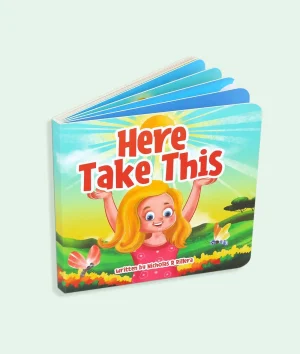
Self-Cover Board Book Binding

Self-cover board book binding is a specialized option mainly used for children’s Bibles, beginner Bible stories, and Bible education materials designed for young readers.
Unlike traditional hardcover books, which use separate cover materials attached to rigid boards, self-cover board books use the same material as the interior. This creates a durable, child-friendly format that can withstand frequent handling.
How Self-Cover Board Book Binding Works
In self-cover board book production, the printing and binding process is designed to create a durable, child-friendly book structure with thick pages and a sturdy cover.
The production process typically includes the following steps:
Printing on thick board sheets: Thick paperboard pages are printed directly on one side with a coated surface to achieve high-quality images and vibrant colors while providing the strength required for children’s books.
Cutting the printed sheets: The printed board sheets are cut into the required size and format according to the book specifications.
Folding and assembling the book block: The cut boards are folded into a series of double-page spreads. Each spread is glued together back-to-back, one by one, using automated binding equipment to form a strong and durable book block.
Wrapping and attaching the cover: The cover is wrapped around the assembled book block and securely glued in place. A scored hinge is added along the spine area, allowing the board book to open more easily and lay flatter during reading.
Finishing and safety trimming: The finished books are trimmed to achieve clean edges and may include rounded corners to improve safety and make them more suitable for young children.
The result is a sturdy, durable book with thick pages that are easy for children to hold, turn, and enjoy repeatedly.
Advantages of Self-Cover Board Book Binding
1. Extremely Durable for Children
Children’s books require stronger construction because they are often handled roughly.
Board book binding provides:
Thick pages
Tear resistance
Better handling durability
Easy page turning
This makes it ideal for young children learning Bible stories.
2. Safe and Easy to Use
Board books are designed for small hands. Rounded corners and thick pages improve safety and usability.
They are commonly used for:
Toddler Bibles
Picture Bible stories
Bible learning books
Preschool religious books
3. Attractive Printing Possibilities
Self-cover board books support vibrant full-color printing, making them excellent for illustrated Bible stories.
Publishers can add:
Glossy or matte lamination
Spot UV
Rounded corners
Custom shapes
Foil stamping
Embossing & debossing
Pop-up or lift-the-flap pages
Limitations of Self-Cover Board Book Binding
The biggest limitation is that board book binding is not suitable for traditional full-length Bibles.
Because of the thick board pages, the final book becomes much heavier compared with standard Bible formats.
It is mainly designed for:
Young readers
Educational purposes
Story-based Bible publications
Best Applications for Self-Cover Board Books
Self-cover board book binding is recommended for:
Children’s Bible story books
Baby Bibles
Preschool Bible learning books
Religious picture books
For children’s religious publishing, it provides the durability and safety needed for repeated use.
Factors to Consider When Choosing a Bible Binding

Choosing the right Bible binding type is an important decision that affects the Bible’s durability, appearance, usability, and production cost. Different readers and publishing projects have different requirements. A pocket Bible for daily carrying, a premium study Bible for lifelong use, and a children’s Bible for young readers all require different binding solutions.
When selecting from different Bible bindings, publishers should consider several key factors, including durability, budget, intended use, and aesthetics.
1. Durability
Durability is one of the most important factors when choosing a Bible binding. Since Bibles are often read repeatedly over many years, the binding needs to withstand frequent opening, closing, carrying, and handling.
Different Bible binding types offer different levels of durability.
Smyth-Sewn Binding: For Bibles designed for decades of use, Smyth-sewn binding is one of the strongest options available. The sewn sections create a secure structure that helps prevent pages from becoming loose over time. The ability to open flat also reduces stress on the spine, improving the overall lifespan of the book.
Hardcover Binding: Hardcover Bibles provide excellent protection because the rigid cover protects the pages from damage. The hard cover helps protect against bending, impact, and general wear.
Flexibound Binding: Flexibound Bibles offer a practical balance between durability and portability. They provide better protection than paperback editions while remaining lightweight and comfortable to hold. They are suitable for readers who want a durable Bible for regular use without the added weight of a hardcover edition.
Perfect Binding: Perfect binding is more economical but generally offers less durability compared with sewn or hardcover options. For projects expected to receive heavy daily use, stronger binding methods are usually recommended.
Self-Cover Board Book Binding: For children’s Bibles, durability means something different. Young children need books that can withstand rough handling. Board book binding provides thick pages, strong construction, easy handling and improved safety. This makes it the preferred choice for toddler and preschool Bible books.
2. Budget
Production budget is another important consideration when selecting Bible bindings.
The binding method directly affects manufacturing costs because different techniques require different materials, equipment, and production time.
Lower-Cost Options
Perfect binding is generally the most affordable Bible binding option because it requires fewer manufacturing steps.
It is suitable for publishers who need:
Large quantities
Affordable pricing
Simple Bible editions
Distribution projects
For organizations printing thousands of copies for outreach programs, cost efficiency is often a priority.
Mid-Range Options
Flexibound binding provides a premium appearance at a lower cost than many hardcover editions.
It is a popular choice for publishers who want:
Better quality than paperback
A premium feel
Comfortable handling
Attractive customization
Premium Options
Hardcover Bibles typically have higher production costs because they involve more materials and craftsmanship.
However, the additional investment provides:
Better durability
Higher perceived value
Longer product lifespan
Premium presentation
For gift editions, collector Bibles, and luxury religious publications, the higher cost is often justified.
The lowest-cost option is not always the most economical choice in the long term. A Bible that quickly wears out may create customer dissatisfaction and reduce the perceived value of the product.
Publishers should consider the expected lifespan of the Bible and choose a binding method that provides the right balance between price and quality.
3. Intended Use
The purpose of the Bible plays an important role in determining the most suitable binding style.
Different readers have different expectations depending on how they use the book.
Daily Reading Bibles: For readers who use their Bible every day, durability and comfort are important. Recommended smyth-sewn binding, flexibound binding or premium hardcover binding. These formats provide better handling performance and are comfortable for frequent reading.
Study Bibles: Study Bibles often contain additional pages, commentary, references, maps, and notes. Because they are usually thicker and heavier, they require stronger construction. Recommended smyth-sewn binding, hardcover binding, or flexibound binding. A strong spine structure helps support the additional content.
Travel Bibles: Travel Bibles need to be lightweight and portable. Recommended perfect binding, smyth-sewn binding, or flexibound binding. These options make the Bible easier to carry while still providing reasonable protection.
Children’s Bibles: Children require books designed specifically for their age group. Recommended self-cover board book binding or hardcover picture book binding. Thick pages, rounded corners, and durable materials help children safely interact with the book.
Gift and Collector Bibles: Special editions require a premium appearance and long-lasting quality. Recommended hardcover binding or leather or imitation leather flexibound binding. Additional finishes such as foil stamping, embossing, and decorative edges can enhance the presentation.
4. Aesthetics
The appearance of a Bible can influence purchasing decisions, especially for gift editions, premium products, and collector versions.
Binding style plays a major role in creating the overall visual impression.
Cover Materials
Different cover materials create different experiences.
Common options include:
Printed Paper Covers: Suitable for affordable paperback Bibles, study materials and distribution editions
PU Leather and Synthetic Covers: Popular premium bibles and gift editions. They provide a leather-like appearance at a more affordable price.
Cloth and Decorative Covers: Often used for special editions or artistic bible designs.
Genuine Leather Covers: Used for luxury Bibles that require the highest level of craftsmanship.
Decorative Finishing Options
Publishers can enhance Bible covers with various finishing techniques.
Foil Stamping: Foil stamping adds metallic details such as titles, logos, decorative patterns. Gold and silver foil are especially popular for traditional Bible designs.
Embossing and Debossing: These techniques create a raised or recessed effect on the cover, adding texture and elegance.
Edge Treatments: Premium Bibles may include gold edges, silver edges, colored edges or sprayed edges. These details create a distinctive appearance.
Ribbon Markers: Ribbon bookmarks are both practical and decorative. They allow readers to quickly return to frequently used passages.
Conclusion
Understanding different Bible binding types helps publishers make better decisions when creating high-quality religious books. Each binding method has unique advantages depending on durability, budget, intended use, and design expectations.
Perfect binding is an affordable choice for lightweight and economical Bible editions.
Smyth-sewn binding provides exceptional durability and is ideal for Bibles designed for long-term use.
Flexibound binding offers a balance of flexibility, comfort, and premium appearance.
Hardcover binding provides strong protection and a classic presentation.
Self-cover board book binding is the best option for children’s Bibles requiring extra durability.
By carefully selecting the right binding method, materials, and finishing options, publishers can create Bibles that provide an excellent reading experience and remain valuable for years.
At BookPrintingChina, we understand that Bible printing requires careful attention to detail, high-quality materials, and reliable binding techniques. A Bible is not simply a printed product—it is a meaningful book designed for years of reading, study, and sharing.
With professional book printing experience, we provide custom Bible printing solutions for publishers, ministries, authors, and organizations worldwide.
Whether you need a compact paperback Bible, premium study Bible, children’s Bible, or special gift edition, we can help you select the most suitable Bible binding type based on your project requirements.